

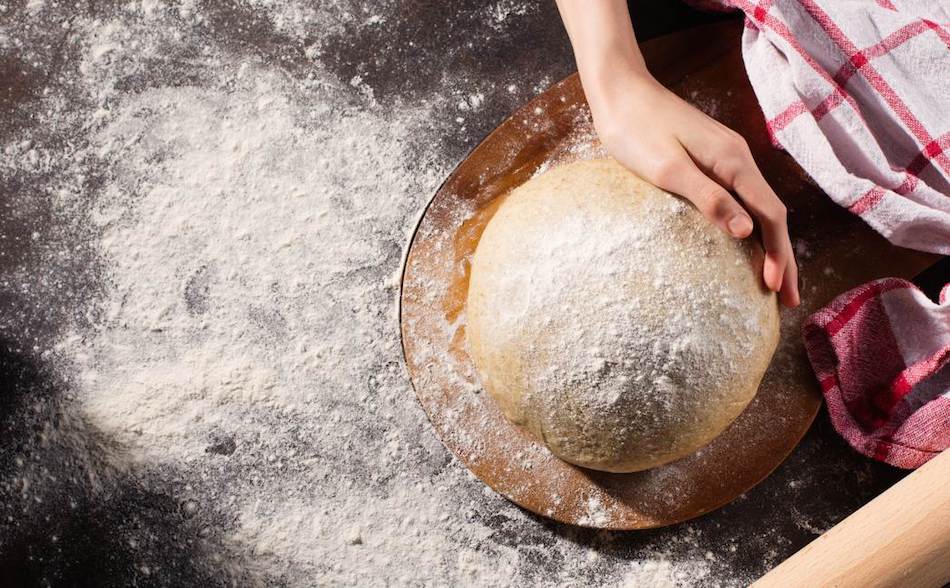
Bread making is a delicate art that requires a precise understanding of dough readiness. Knowing when dough is fully fermented and ready for baking is crucial for achieving the perfect loaf. In this article, we will delve into the various indicators of dough readiness, including signs of proper hydration, gluten development, fermentation progress, and more. So, whether you’re baking a simple loaf or a sourdough, you’ll be able to confidently know when your dough is ready for the oven and achieve the delicious bread you’ve been dreaming of.
Dough readiness, also known as fermentation, refers to the point at which the dough has reached its optimal state for baking. Proper fermentation is essential for achieving a desirable texture, flavor, and overall quality in bread. Factors that affect dough readiness include proper hydration, gluten development, temperature, yeast or sourdough starter activity, and fermentation time. Bakers can use various methods to determine dough readiness, including the finger dent test, checking for a uniform crumb structure, observing the color of the crust, measuring dough volume, and using a dough rising calculator.
Understanding dough readiness and implementing proper techniques can greatly improve the outcome of bread baking and lead to delicious, homemade bread.
Key Points
- Proper hydration is crucial for dough readiness
- Dough temperature is an important factor to consider
- Gluten development is a critical aspect of dough readiness
- Using a digital scale for accurate measurements is key for precision in bread making
- The finger dent test is a quick and easy way to check dough readiness
- Checking for a uniform crumb structure is a sign of a well-fermented and well-baked bread
- The color of the crust is an important indicator of dough readiness
- Dough volume is a key indicator of readiness
- The windowpane test is a method used to evaluate gluten development in dough
- Tracking fermentation progress is an important aspect of dough readiness
- Using a dough rising calculator can help you estimate the time it will take for dough to rise
- Adjusting for altitude and humidity can greatly affect the outcome of your bread
- Adjusting for altitude and humidity is important in bread baking as it can affect the way dough rises.
- Yeast and sourdough starters play a crucial role in the fermentation process, yeast ferments the sugars in the dough and releases carbon dioxide that causes the dough to rise, while sourdough starters are a mixture of flour and water that have been fermented by wild yeast and bacteria, they are used to add a distinct tangy flavor and chewier texture to bread.
- The proofing box method is a technique used to create the perfect environment for dough to rise, it involves creating a warm, humid environment for the dough to proof in, typically by using a plastic container or a proofing box, this method allows for precise control of the temperature and humidity, which is important for the fermentation process, and it’s commonly used in professional bakeries.
- Sugar plays an important role in dough fermentation, particularly in the production of yeast-leavened bread, it provides food for the yeast, and it contributes to the flavor and color of the bread, adding sweetness and helping with browning.
- The Springback Test is a method used to determine the gluten development in dough, it’s used by bakers to evaluate the strength and elasticity of the dough and to ensure that it has been mixed and kneaded enough.
- Autolyse and pre-fermentation are techniques used in bread making to improve the flavor and texture of the final product. Autolyse is a method where flour and water are mixed together and left to rest for a period of time before adding the yeast or sourdough starter, while pre-fermentation involves fermenting a portion of the dough before adding the remaining ingredients.
- Salt plays an important role in dough fermentation, it acts as a flavor enhancer, a dough strengthener and helps to control the fermentation process by slowing down the yeast activity, allowing for a more even rise, and preventing over-fermentation.
- Fats play a crucial role in dough fermentation, they add richness, moisture, and flavor to the dough, making it more tender and giving it a softer crust and they also help to prolong the shelf life of bread by slowing down the staling process.
- Acid is an important ingredient in dough fermentation, particularly in the production of sourdough breads, it helps to slow down the fermentation process, creating a more complex flavor profile and gives a tangy taste to the bread.
Factors Affecting Dough Readiness
| Factor | Description |
|---|---|
| Proper Hydration | The balance of water and flour is key to achieving the ideal texture and rise in bread |
| Dough Temperature | Yeast works best at a specific temperature range. The ideal temperature for dough fermentation is between 75-85°F. |
| Gluten Development | Gluten gives bread its structure and chewiness. The key to good gluten development is to mix the dough well and give it enough time to rest. |
| Digital Scale | Using a digital scale is the most accurate way to measure ingredients and ensures consistency in your bread making |
| Finger Dent Test | Gently pressing the dough with your finger, and observing how quickly the indentation bounces back. A dough that is ready for baking will have a slight bounce back |
| Crumb Structure | A uniform crumb structure is a sign of a well-fermented and well-baked bread. |
| Color of the Crust | A well-baked bread should have a golden brown color, a sign that the crust has been properly caramelized |
| Dough Volume | A dough that has reached its optimal fermentation will have a noticeable increase in volume. |
| Windowpane Test | The test is performed by gently stretching a small piece of dough between your fingers until it’s thin enough to see light through it, if it stretches easily and forms a thin, translucent sheet without tearing, the gluten has developed properly. |
| Fermentation Progress | Tracking the fermentation progress, you can have a better control over the dough and make adjustments accordingly |
| Dough Rising Calculator | A dough rising calculator can help you estimate how long it will take for your dough to rise based on factors such as temperature, humidity, and yeast activity |
| Altitude and Humidity | High altitude and low humidity can cause dough to dry out |
Importance of Proper Hydration
Proper hydration is crucial for dough readiness. Without enough water, the gluten in dough will not be able to properly develop, resulting in a dense and heavy loaf. On the other hand, too much water can lead to a dough that is too sticky and difficult to work with. Finding the right balance of water and flour is key to achieving the ideal texture and rise in bread.
A dough that is properly hydrated will have a smooth and elastic consistency, making it easy to shape and handle. In addition, a properly hydrated dough will retain gas better during fermentation, resulting in a light and airy crumb structure. In short, proper hydration is the foundation of good bread and it’s essential to know how to hydrate your dough correctly to make great bread.
Measuring Dough Temperature
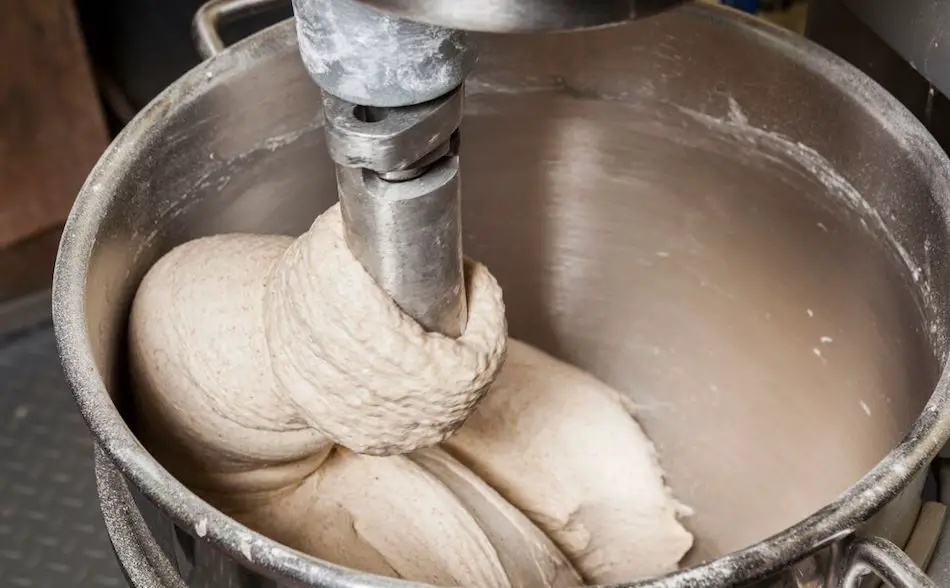
When it comes to baking bread, dough temperature is an important factor to consider. Yeast, the microorganism that causes fermentation, is a living organism and it works best at a specific temperature range. If the dough is too cold, the yeast will be sluggish and the fermentation will be slow. On the other hand, if the dough is too hot, the yeast will become too active and the dough will over-ferment. The ideal temperature for dough fermentation is between 75-85°F.
Measuring the temperature of your dough can be done with a digital thermometer, this will give you a precise reading of the temperature. This is a great way to ensure that you’re working within the optimal temperature range for fermentation and will help you achieve the perfect loaf.
Role of Gluten Development
Gluten development is a critical aspect of dough readiness. Gluten is a protein found in wheat and other grains that gives bread its structure and chewiness. When flour and water are combined, gluten forms a network of proteins that trap the carbon dioxide produced by yeast during fermentation, allowing the dough to rise. The key to good gluten development is to mix the dough well and give it enough time to rest. The process of kneading dough helps to develop gluten by aligning the gluten proteins, making them stronger and more elastic.
A properly developed gluten results in a loaf with a good rise, a nice texture, and an excellent crust. So, when you’re making bread, pay attention to gluten development, it’s one of the key components of a great bread.
Using a Digital Scale for Accurate Measurements
Precision is everything with bread making. And using a digital scale for accurate measurements is a key step to achieving that precision. The ratio of flour to water is critical in bread baking, and even a small deviation in measurement can make a big difference in the final product. A digital scale is the most accurate way to measure ingredients and ensures consistency in your bread making. It also helps in adjusting the recipe based on the humidity and altitude, which is important because these factors can affect the outcome of your bread.
A digital scale is an essential tool for any bread baker, whether you’re a beginner or a professional. It will help you achieve the perfect loaf every time.
Finger Dent Test
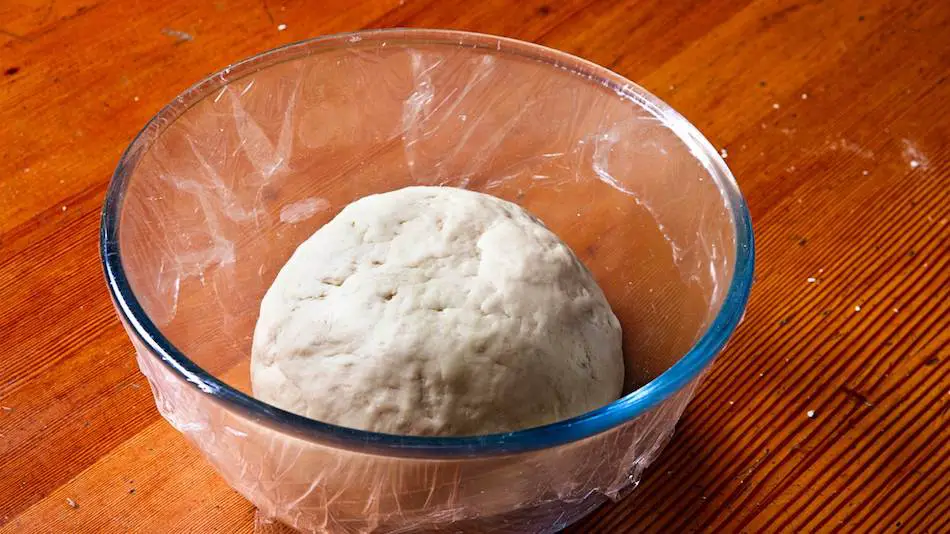
One of the easiest and most reliable ways to test dough readiness is by using the finger dent test. This test involves gently pressing the dough with your finger, and observing how quickly the indentation bounces back. A dough that is ready for baking will have a slight bounce back, while a dough that is under-fermented will have no bounce back and a dough that is over-fermented will have a quick bounce back.
This test is a quick and easy way to check the dough’s fermentation progress, without the need for any fancy equipment. It’s a simple yet effective method that can give you an idea of the dough’s readiness in a matter of seconds. It’s a great tool for bakers of any level, and it’s a great way to ensure that your dough is ready for baking.
Checking for a Uniform Crumb Structure
Crumb structure is a telltale sign of dough readiness. A uniform crumb structure is a sign of a well-fermented and well-baked bread. The crumb should be light and airy, with evenly distributed holes. This can be achieved by ensuring that the dough is properly hydrated, gluten development is optimal and fermentation is on point.
A bread with a uniform crumb structure is a sign of a well-made bread, and it’s a great way to tell if your bread is ready to be taken out of the oven. It’s also a great way to troubleshoot if your bread didn’t turn out as expected, as a uniform crumb structure is a clear indication of a good dough and proper baking. So, pay attention to the crumb structure, it’s a great way to tell if your bread is ready to be enjoyed.
Observing the Color of the Crust
The color of the crust is another important indicator of dough readiness. A well-baked bread should have a golden brown color, a sign that the crust has been properly caramelized. This is achieved by a combination of factors, including fermentation, temperature, and humidity. A bread with a pale crust is a sign that the bread was under-baked, while a bread with a dark crust is a sign that it was over-baked.
Observing the color of the crust can give you an idea of the bread’s readiness, and help you decide when to take it out of the oven. It’s also a great way to troubleshoot if your bread didn’t turn out as expected. So, pay attention to the color of the crust, it’s a key indicator of a well-baked bread.
Dough Volume: A Key Indicator of Readiness
When it comes to bread making, dough volume is a key indicator of readiness. As the dough ferments, it will expand and increase in volume. A dough that has reached its optimal fermentation will have a noticeable increase in volume. Measuring the dough volume can be done by marking the dough with a butter knife or a chopstick before fermentation and comparing the volume after fermentation.
A dough that has not increased in volume is a sign that it needs more time to ferment, while a dough that has over-risen is a sign that it’s ready to be shaped and baked. Measuring the dough volume is an easy and effective way to check the dough’s fermentation progress, and it’s a great way to ensure that your dough is ready for baking.
Windowpane Test
The windowpane test is a method used to evaluate gluten development in dough, and it’s a reliable indicator of dough readiness. The test is performed by gently stretching a small piece of dough between your fingers until it’s thin enough to see light through it, if it stretches easily and forms a thin, translucent sheet without tearing, the gluten has developed properly. If it tears easily, the dough needs more kneading.
The windowpane test is a great way to assess gluten development, and it’s a quick and easy way to check if your dough is ready for shaping and baking. Keep in mind that not all breads require a windowpane test, this test is more suitable for breads that rely on gluten development, like baguettes, sourdough and other artisan breads.
Tracking Fermentation Progress
Tracking fermentation progress is an important aspect of dough readiness. As the dough ferments, it goes through a series of changes that affect the final product, from gluten development, to flavor and texture. By tracking the fermentation progress, you can have a better control over the dough and make adjustments accordingly.
This can be done by taking note of the dough’s temperature, volume, and appearance, and comparing it to previous batches. Keeping a fermentation log is a great way to track progress and make adjustments to your recipe.
It’s also a great way to troubleshoot if your bread didn’t turn out as expected. In short, tracking fermentation progress is an important step in making great bread, and it’s a great way to have control over the final product.
Using a Dough Rising Calculator
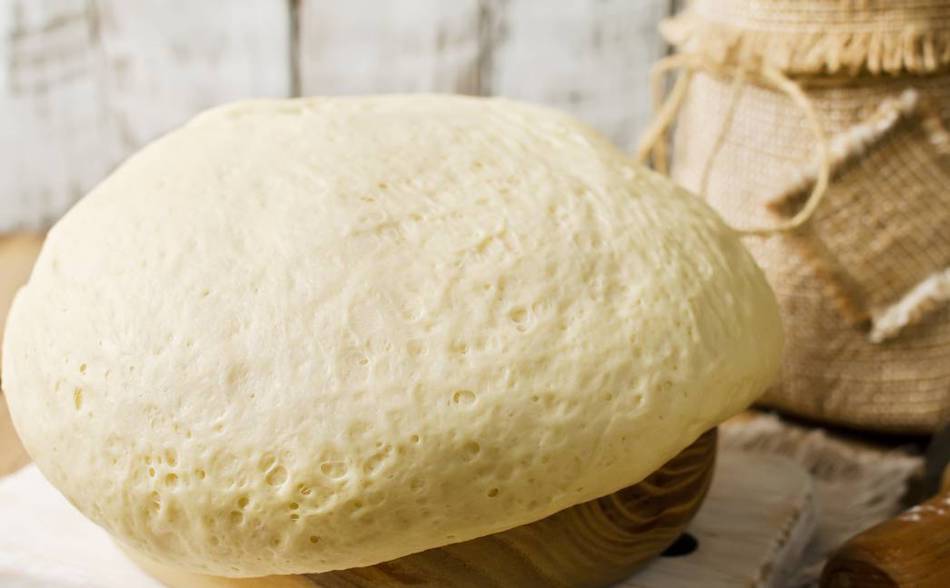
When it comes to bread making, timing is everything and using a dough rising calculator can be a great tool to help you with that. A dough rising calculator can help you estimate how long it will take for your dough to rise based on factors such as temperature, humidity, and yeast activity.
This can be especially useful when you’re working with a new recipe or when you’re trying to make adjustments to an existing one. A dough rising calculator can also help you plan your baking schedule, so you can have your bread ready at the desired time. It’s a great tool for bakers of any level and it can help you achieve a consistent fermentation and a better control over the final product. A dough rising calculator can be a great addition to your bread making arsenal.
Adjusting for Altitude and Humidity
Adjusting for altitude and humidity is important in bread baking as it can affect the way dough rises. At high altitudes, the lower air pressure can cause dough to rise faster and result in a lighter texture. On the other hand, high humidity can make the dough stickier and harder to work with. To adjust for these conditions, bakers may need to make adjustments to the amount of yeast and flour used, as well as the baking time and temperature.
It’s also important to take into account the specific characteristics of the flour being used, as some types may be more sensitive to changes in altitude and humidity.
Role of Yeast and Sourdough Starters
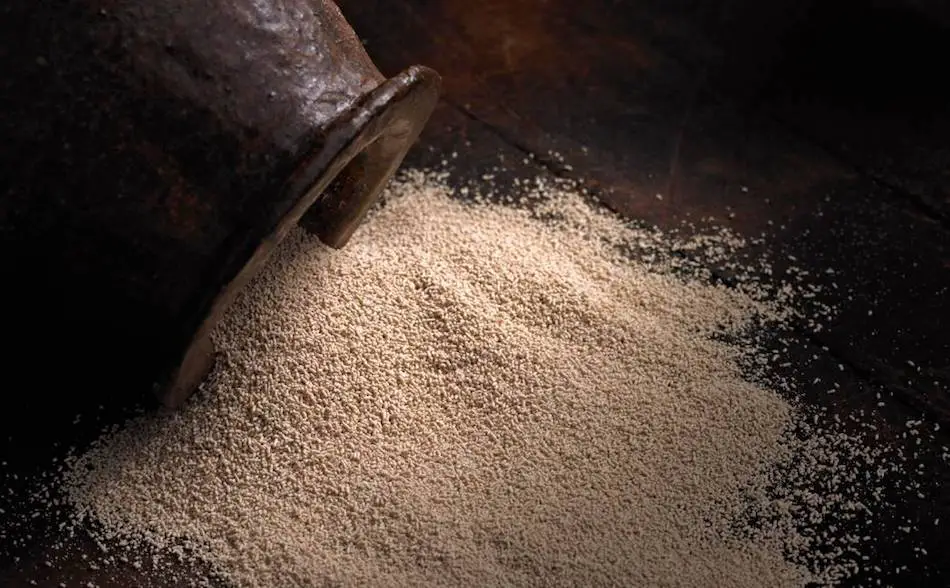
Yeast and sourdough starters play a crucial role in the fermentation process. Yeast is a type of fungus that ferments the sugars in the dough, releasing carbon dioxide which causes the dough to rise. Sourdough starters, on the other hand, are a mixture of flour and water that have been fermented by wild yeast and bacteria. They are used to add a distinct tangy flavor and chewier texture to bread.
Yeast can be added directly to the dough, while sourdough starters require a period of fermentation before being added. The choice between using yeast or a sourdough starter depends on personal preference and the desired flavor and texture of the bread.
Proofing Box Method
The proofing box method is a technique used to create the perfect environment for dough to rise. It involves creating a warm, humid environment for the dough to proof in, typically by using a plastic container or a proofing box. This method allows for precise control of the temperature and humidity, which is important for the fermentation process. The dough is placed inside the proofing box and left to rise until it has reached the desired size.
This method is commonly used in professional bakeries, as it allows for consistent results and can save time compared to traditional proofing methods. However, it does require some equipment, so it may not be feasible for home bakers.
Role of Sugar in Dough Fermentation
Sugar plays an important role in dough fermentation, particularly in the production of yeast-leavened bread. Yeast feeds on sugar, converting it into alcohol and carbon dioxide which causes the dough to rise. The amount of sugar used in a dough recipe can affect the rate of fermentation and the final flavor of the bread.
Too little sugar can result in a slow fermentation and a dense texture, while too much sugar can cause the dough to rise too quickly and result in a coarse crumb. In addition to providing food for the yeast, sugar also contributes to the flavor and color of the bread, adding sweetness and helping with browning.
The type of sugar used can also affect the fermentation, for example, using honey instead of white sugar can add a unique flavor to the bread.
Springback Test
The springback test is a method used to determine the gluten development in dough. It is used by bakers to evaluate the strength and elasticity of the dough and to ensure that it has been mixed and kneaded enough.
To perform the test, a small piece of dough is gently stretched and pulled. If the dough snaps back quickly, it has not been developed enough, while if it stretches without breaking and holds its shape, the dough is ready to be proofed.
The springback test is a quick and easy way to check the dough development without the need for any special equipment, making it a popular method among bakers. It is a simple but effective way to evaluate dough, helping to ensure that the final product will have the desired texture, crumb and taste.
Understanding Autolyse and Pre-fermentation
Autolyse and pre-fermentation are techniques used in bread making to improve the flavor and texture of the final product. Autolyse is a method where flour and water are mixed together and left to rest for a period of time before adding the yeast or sourdough starter.
This allows the flour to hydrate and the gluten to develop, making the dough easier to work with and resulting in a better rise and crumb structure. Pre-fermentation, on the other hand, involves fermenting a portion of the dough before adding the remaining ingredients.
This can add depth of flavor and complexity to the bread. Both autolyse and pre-fermentation can be used together or separately, and the specific timing and ratios will vary depending on the recipe and desired outcome. These methods are often used by artisan bakers to create breads with distinct and complex flavors.
Role of Salt in Dough Fermentation
Salt plays an important role in dough fermentation, acting as a flavor enhancer and a dough strengthener. Salt enhances the flavor of the bread, making it taste more like bread and less like raw dough. It also helps to control the fermentation process by slowing down the yeast activity, allowing for a more even rise and preventing over-fermentation.
Salt also strengthens the gluten structure, making the dough more elastic and easier to shape. The amount of salt used in a dough recipe can affect the final flavor and texture of the bread, with too little salt resulting in a bland taste, and too much salt resulting in a dense texture.
Salt is also important in bread baking as it helps to preserve the bread, making it last longer. The role of salt in bread baking is vital, it not only improves the flavor but also the texture and preservation of the bread.
Role of Fats in Dough Fermentation
Fats play a crucial role in dough fermentation, particularly in the production of rich, flavorful breads. Fats, such as butter, oil, or shortening, are added to dough to improve the texture, flavor, and shelf life of the bread. They add richness, moisture, and flavor to the dough, making it more tender and giving it a softer crust.
Fats also help to prolong the shelf life of bread by slowing down the staling process. The amount of fats used in a dough recipe can affect the final texture and flavor of the bread, with too little fats resulting in a dry and less flavorful bread, and too much fats resulting in a heavy and greasy bread.
The type of fat used can also affect the flavor, for example, using olive oil instead of butter can add a unique flavor to the bread. The role of fats in bread baking is important, it not only improves the texture, flavor, and preservation of the bread but also adds a rich and satisfying taste to it.
Role of Acid in Dough Fermentation
Acid is an important ingredient in dough fermentation, particularly in the production of sourdough breads. Acid helps to slow down the fermentation process, creating a more complex flavor profile, and gives a tangy taste to the bread.
Acids can be added to dough in the form of sourdough starter, vinegar, or lemon juice. Sourdough starter is a mixture of flour and water that has been fermented by wild yeast and bacteria, and it gives a distinct tangy flavor and chewier texture to the bread. While vinegar and lemon juice can be added to the dough to provide a similar tangy flavor and also help to preserve the bread.
The amount of acid used in a dough recipe can affect the final flavor and texture of the bread, with too little acid resulting in a bland taste, and too much acid resulting in a dense texture. The role of acid in bread baking is vital, it not only improves the flavor, texture and preservation of the bread but also gives it a distinct tangy taste that’s characteristic of sourdough breads.