

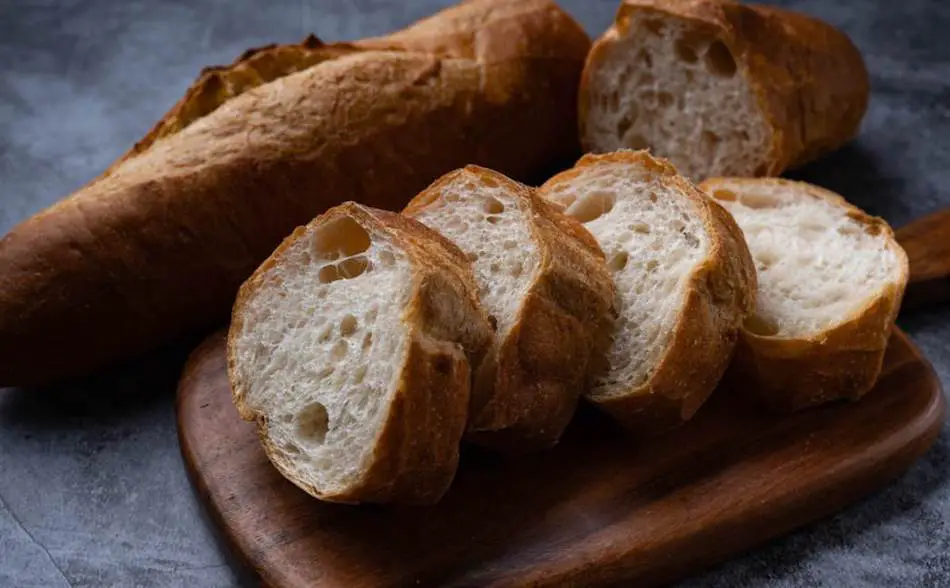
French bread is the backbone of French cuisine, the foundation of a good meal, the true test of a baker’s skill. It’s not just about the ingredients, it’s about the technique, the patience, the love that goes into every single loaf. And let me tell you, there’s nothing quite like the taste and aroma of a freshly baked baguette straight out of the oven. But I know, making French bread can be intimidating, especially for beginners. That’s why I’ve put together this guide, French Bread 101, to answer all of your burning questions and demystify the art of bread-making.
What type of flour is best for making French bread?
The type of flour best for making French bread is typically a high-protein flour, such as bread flour or all-purpose flour with a protein content of at least 12%. This type of flour will give the bread the necessary gluten structure to develop a crisp crust and chewy texture. French bread traditionally is made with a type of flour called T65 or T85 which is a French flour type. It’s important to use flour that has a lower ash content as it will give the bread a better flavor and color.
| Type of Flour | Suitability for French Bread |
|---|---|
| All-Purpose Flour | All-purpose flour is a suitable option for making French bread, as it has a moderate protein content (around 11%). |
| Bread Flour | Bread flour is a suitable option for making French bread, as it has a higher protein content (around 12-14%) which will help create a stronger gluten structure and chewier crumb. |
| High-Protein Flour | High-protein flour can also be used for making French bread, as it has a higher protein content (around 14-18%) which will help create a stronger gluten structure and chewier crumb. |
| Whole Wheat Flour | Whole wheat flour can be used in combination with white flour to make French bread, as it can add a nutty flavor and a denser crumb. |
| Gluten-Free Flour | Gluten-free flour can be used to make French bread, but the texture and taste will be different from traditional French bread. |
How long does it take to make French bread?
The time it takes to make French bread can vary depending on the recipe and method used. However, on average it takes about:
- 3-4 hours for the fermentation and rising of the dough.
- 20-30 minutes for shaping and scoring the bread.
- 20-30 minutes for baking the bread.
Keep in mind that this is just a rough estimate, and the actual time may vary depending on factors such as the temperature and humidity of your kitchen, the size of your loaves, and the desired crust and crumb. It’s also important to note that some recipes may require an overnight refrigeration of the dough, which would increase the total time.
Can I make French bread without a stand mixer?
You can make French bread without a stand mixer. In fact, many traditional French bread recipes do not call for the use of a stand mixer. Instead, the dough is typically mixed and kneaded by hand.
To mix the dough by hand, you will need to combine the flour, yeast, salt, and any other ingredients in a large bowl. Then, add in the water and mix the ingredients together until a rough dough forms. Once the dough comes together, turn it out onto a floured surface and knead it by hand for around 10-15 minutes, until it becomes smooth and elastic. Then, the dough can be placed in a greased bowl, covered, and left to rise in a warm place. Once the dough has risen, it can then be shaped and scored, before baking.
Kneading by hand will take more time and effort, but it can be a great way to develop a deeper understanding of the dough and the process of bread making.
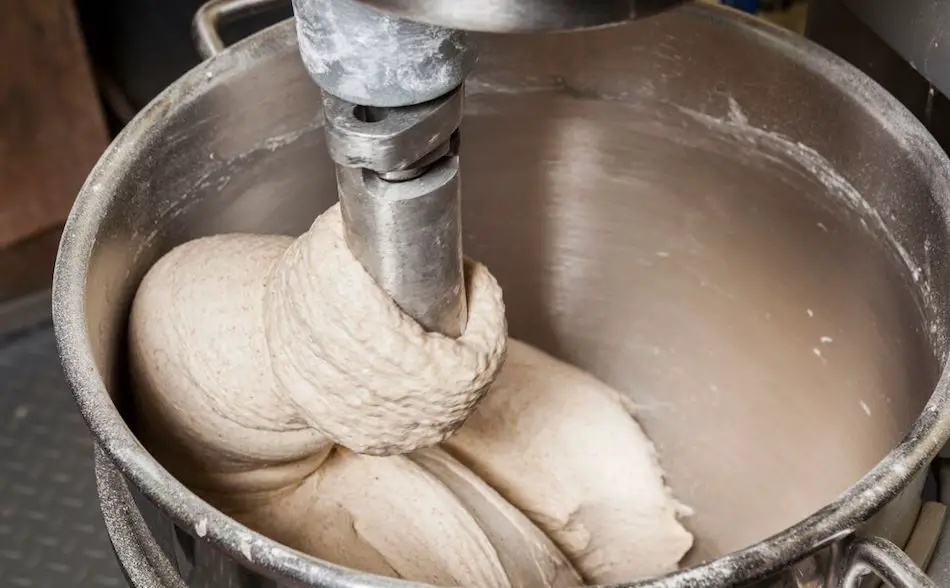
Stand mixer vs. Hand mixing
| Method | Time Required | Effort Required |
|---|---|---|
| Stand Mixer | 30-45 minutes (including kneading time) | Minimal (kneading is done by the mixer) |
| By Hand | 1-2 hours (including kneading time) | Moderate to High (kneading must be done by hand) |
How do I know when the dough is ready?
There are a few ways to tell when dough is ready:
- The “windowpane test” is a common method for testing the gluten development in the dough. To perform the test, take a small piece of dough and gently stretch it between your thumb and fingers. If the dough can be stretched thin enough to see light through it without tearing, the gluten has developed enough and the dough is ready.
- The “finger dent test” is another way to check if the dough is ready. Gently press your finger into the dough. If the dough springs back slowly or leaves a dent, it is ready to be shaped.
- The dough is also considered ready when it has doubled in size after the first fermentation or risen.
It’s important to keep in mind that these are just guides, and the dough might be ready even if it doesn’t pass all of these tests, or not ready even if it passes all of them. The dough can be considered ready when it has the right texture, elasticity and it doesn’t stick to your fingers.
Also, it’s important to remember that the dough should be handled gently, and over-handling it can cause the gluten structure to break down.
What is the difference between a baguette and a boule?
Baguette and boule are both types of French bread, but they have distinct differences in shape, texture, and taste. A baguette is a long, thin loaf of bread that is typically about 30-40 centimeters in length. It has a crisp crust and a light, airy interior with large holes.
Baguettes are characterized by their elongated shape and pointed ends. They are typically made with a lean dough that contains just flour, water, yeast, and salt. Baguettes are often served with butter or used as the base for sandwiches.
A boule, on the other hand, is a round loaf of bread that is typically smaller than a baguette, and can be anywhere from 10-20 centimeters in diameter. It has a thicker, chewy crust and a denser, moist crumb than a baguette. A boule is shaped like a ball and is typically made with a rich dough that contains ingredients such as butter, milk, and eggs. Boules are often served as table bread and can be sliced for sandwiches or toasted for breakfast.
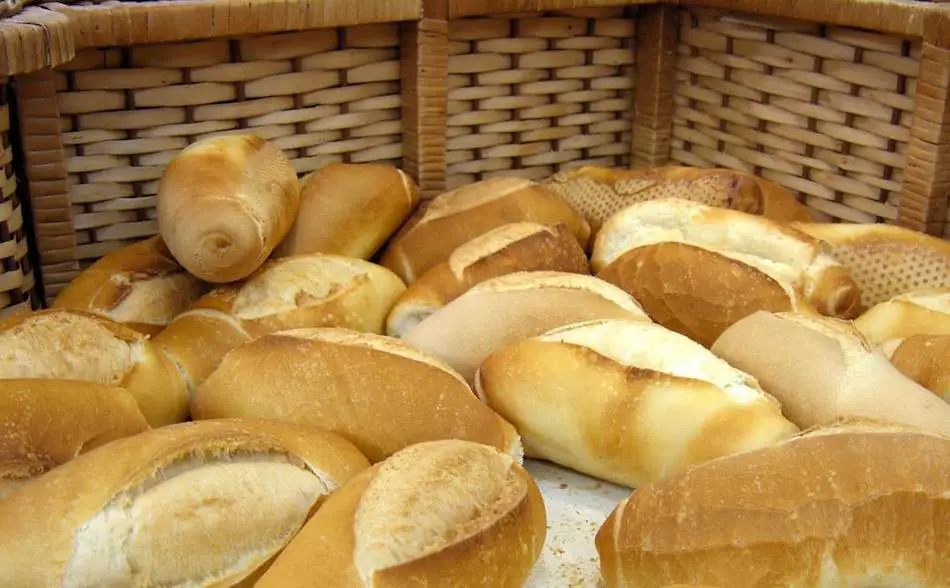
Different shaping methods for baguettes and boules
| Shaping Method | Type of Bread | Description |
|---|---|---|
| Classic Baguette Shaping | Baguette | Roll out the dough into a long and thin shape, similar to a rolling pin. Taper the ends and place on a baking sheet or in a baguette pan. |
| Free-form Baguette Shaping | Baguette | Roll out the dough into a long and thin shape, similar to a rolling pin. Taper the ends and place on a baking sheet or peel. |
| Boule Shaping | Boule | Fold the edges of the dough towards the center, creating tension on the surface. Flip the dough over, so that the folded edges are at the bottom, and shape into a smooth round ball. Place on a baking sheet or in a banneton. |
| Batard Shaping | Boule | Fold the edges of the dough towards the center, creating tension on the surface. Flip the dough over, so that the folded edges are at the bottom, and shape into an oval shape. Place on a baking sheet or in a banneton. |
How do I achieve a crispy crust on my French bread?
Achieving a crispy crust on French bread can be accomplished by using a combination of techniques, including:
- Using a baking stone or steel: Placing the bread on a preheated baking stone or steel can help to create a crisp crust by providing an even and intense heat.
- Steam: Adding steam to the oven during the initial stages of baking can help to create a crisp crust by keeping the dough moist and preventing it from drying out too quickly. This can be done by placing a tray of hot water on the bottom of the oven, or by spraying the bread with a mist of water before baking.
- Scoring the bread: Making shallow cuts on the surface of the bread before baking can help to create a crispy crust by allowing the bread to expand as it bakes. This can be done with a sharp knife or a razor blade.
- High oven temperature: Baking at a high temperature, typically above 425°F (220°C), will help to create a crisp crust by quickly setting the dough and causing it to puff up.
- Proper fermentation of the dough: Proper fermentation of the dough is important to get a good texture, flavor and a crispy crust. Using a proper amount of yeast and allowing the dough to rise for the right amount of time will help to create a good structure for the crust.
Can I make French bread in a bread machine?
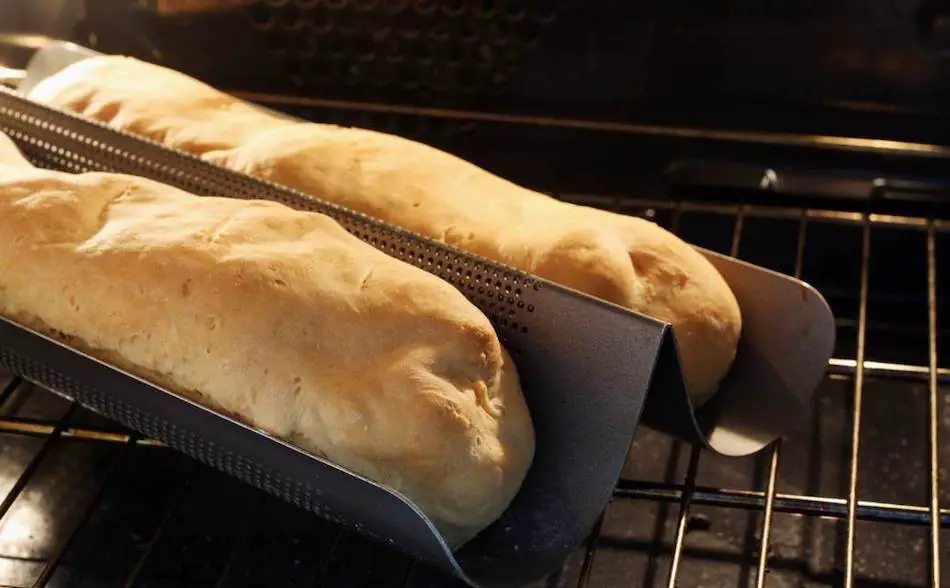
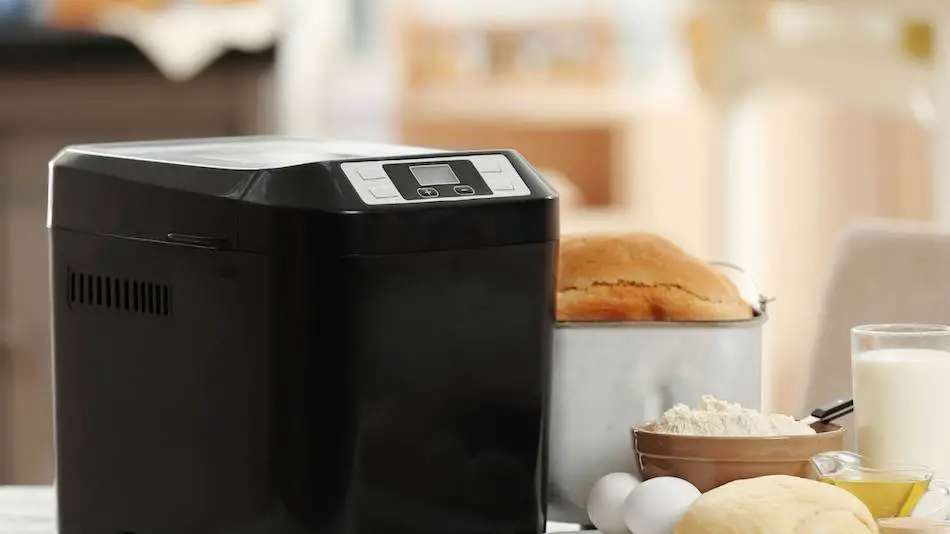
Yes, it is possible to make French bread in a bread machine, although the texture and crust may not be the same as traditional French bread made by hand or with a stand mixer. Bread machines are designed to make the bread-making process simpler and more convenient. They typically have a “French Bread” or “Artisan Bread” setting that can be used to make French bread. The bread machine will take care of mixing, kneading, and rising the dough, and can even bake the bread.
However, it is important to note that French bread requires a very specific type of dough, a high-hydration dough that is moist and sticky, which can be difficult to handle in a bread machine. Additionally, French bread relies on a long fermentation process, which can produce a better texture and flavor. And the crust of French bread is typically achieved by baking at a very high temperature, which is not possible in most home bread machines.
Therefore, using a bread machine to make French bread may result in a bread that is closer to a regular loaf of bread than a traditional French baguette or boule.
How do I store French bread?
Storing French bread properly will help to maintain its quality and freshness. Here are a few tips for storing French bread:
- Room temperature: French bread is best stored at room temperature, ideally in a bread box or a paper bag. Avoid storing it in plastic as this can trap moisture and make the crust soften.
- Cut end down: To help maintain a crispy crust, store the bread cut-end down. This will prevent moisture from accumulating on the cut surface and causing the crust to soften.
- Freezing: French bread can be frozen for up to 3 months. To freeze, wrap the bread in plastic wrap and place it in a plastic bag. When you’re ready to eat it, unwrap the bread and place it on a baking sheet in a preheated oven at 350°F (175°C) for about 10-15 minutes.
- Microwaving: To revive a stale French bread, wrap it in a damp paper towel and microwave for about 15 seconds. Be careful, the bread might be hot after microwaving.
It is important to note that French bread is best eaten fresh, and it’s not recommended to keep it for more than a day or two. Storing it in the refrigerator is not recommended as it can dry out quickly, and the crust will lose its crispiness.
Can I freeze French bread?
French bread can be frozen for up to 3 months. Freezing French bread is a great way to extend its shelf life and enjoy it later. Here are a few tips for freezing French bread:
- Cool completely: Before freezing, make sure the bread has cooled completely. If you freeze the bread while it’s still warm, it can lead to condensation and a soggy crust when thawed.
- Wrap tightly: Wrap the bread in plastic wrap or aluminum foil to prevent air from getting in and drying out the bread. It is also good to put it in a plastic bag for double protection.
- Label and date: Label the package with the name of the bread and the date it was frozen. This will help you keep track of how long the bread has been frozen and when it should be used.
- Thawing: When you’re ready to eat the frozen bread, unwrap it and place it on a baking sheet in a preheated oven at 350°F (175°C) for about 10-15 minutes, or until heated through. Alternatively, you can thaw the bread on a kitchen counter for about 1-2 hours before eating.
It is important to note that freezing can affect the texture of the bread, making it less crisp and chewy. It’s recommended to freeze the bread as soon as possible after baking and to consume it within 3 months.
How do I make a traditional French bread recipe?
Here is a traditional French bread recipe that you can make at home:
Ingredients:
- 500g (about 3 3/4 cups) all-purpose flour
- 10g (about 2 tsp) salt
- 7g (about 1 1/2 tsp) instant yeast
- 350ml (about 1 1/2 cups) lukewarm water
- cornmeal or semolina flour (for dusting)
Instructions:
- In a large mixing bowl, combine the flour, salt, and yeast. Gradually add the lukewarm water, mixing until a sticky dough forms.
- Knead the dough by hand on a lightly floured surface for about 10 minutes, or until it becomes smooth and elastic.
- Transfer the dough to a lightly oiled bowl, cover with plastic wrap and let it rise for about 1-2 hours or until it doubles in size.
- After the dough has risen, punch it down to remove the air, then divide it into 2 equal pieces.
- Shape each piece of dough into a long, thin loaf (about 30cm/12 inches) and place it on a baking sheet lined with parchment paper that has been dusted with cornmeal or semolina flour.
- Cover the loaves with a kitchen towel and let them rise for another 30-45 minutes.
- Preheat the oven to 450°F (230°C).
- Using a sharp knife, make diagonal slashes across the top of each loaf.
- Place the baking sheet in the oven and bake for about 25-30 minutes, or until the bread is golden brown and sounds hollow when tapped on the bottom.
- Remove the bread from the oven and transfer it to a wire rack to cool completely.
This recipe will give you traditional French bread that has a crispy crust and a chewy interior. You can customize the recipe by adding herbs, cheese, or other ingredients to suit your taste.
What is the traditional method for shaping a baguette?
The traditional method for shaping a baguette is to first divide the dough into pieces of equal size, usually around 250g each. Next, take one piece of dough and gently shape it into a rough rectangular shape using your hands. Then, using your fingers, press down on one side of the rectangle to create a slight indentation. This will be the top of the baguette. Next, with the palms of your hands, gently press down on the dough and begin to roll it into a long, thin shape, with the seam side facing down.
As you roll, taper the ends slightly to create the characteristic tapered shape of a baguette. Once you have rolled out the dough to the desired length, place it onto a baking sheet lined with parchment paper or a floured cloth.
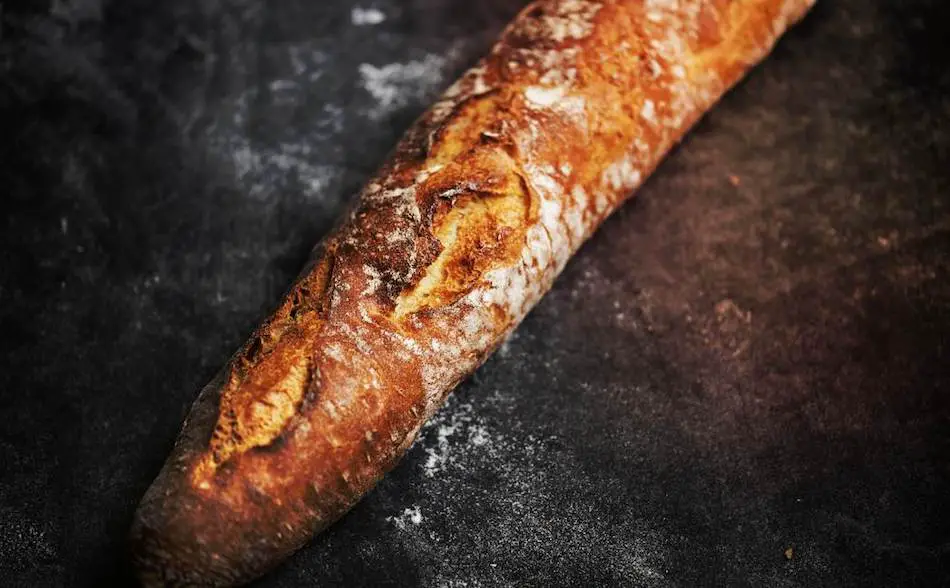
To make the traditional cuts on the top of the baguette, use a sharp knife or blade and make diagonal slashes on the top of the dough. This allows the steam to escape and create a crispy crust on the bread.
It’s important to note that shaping a baguette is an art, it takes practice to master the technique and get the right shape, texture, and size of the bread.
How do I make a sourdough French bread?
Here is a recipe for making sourdough French bread at home:
Ingredients:
- 100g (about 3/4 cup) sourdough starter
- 400g (about 3 cups) all-purpose flour
- 10g (about 2 tsp) salt
- 300ml (about 1 1/4 cups) lukewarm water
- cornmeal or semolina flour (for dusting)
Instructions:
- In a large mixing bowl, combine the sourdough starter, flour, and salt. Gradually add the lukewarm water, mixing until a sticky dough forms.
- Knead the dough by hand on a lightly floured surface for about 10 minutes, or until it becomes smooth and elastic.
- Transfer the dough to a lightly oiled bowl, cover with plastic wrap and let it ferment for about 8-12 hours or until it doubles in size.
- After the fermentation time, punch down the dough and divide it into 2 equal pieces.
- Shape each piece of dough into a long, thin loaf (about 30cm/12 inches) and place it on a baking sheet lined with parchment paper that has been dusted with cornmeal or semolina flour.
- Cover the loaves with a kitchen towel and let them rise for another 1-2 hours.
- Preheat the oven to 450°F (230°C).
- Using a sharp knife, make diagonal slashes across the top of each loaf.
- Place the baking sheet in the oven and bake for about 25-30 minutes, or until the bread is golden brown and sounds hollow when tapped on the bottom.
- Remove the bread from the oven and transfer it to a wire rack to cool completely.
This recipe will give you a sourdough French bread that has a crispy crust and a chewy interior. Sourdough bread is known for its complex flavor, and it has a longer fermentation time than regular bread, which allows the natural yeasts to develop more flavor in the dough.
It’s important to note that making sourdough bread can be tricky, it requires practice, and patience. It is also important to use a good quality sourdough starter, flour and water, and to pay attention to the temperature and humidity in your kitchen, as these can affect the dough’s fermentation and the final texture of the bread.
Can I make French bread with whole wheat flour?
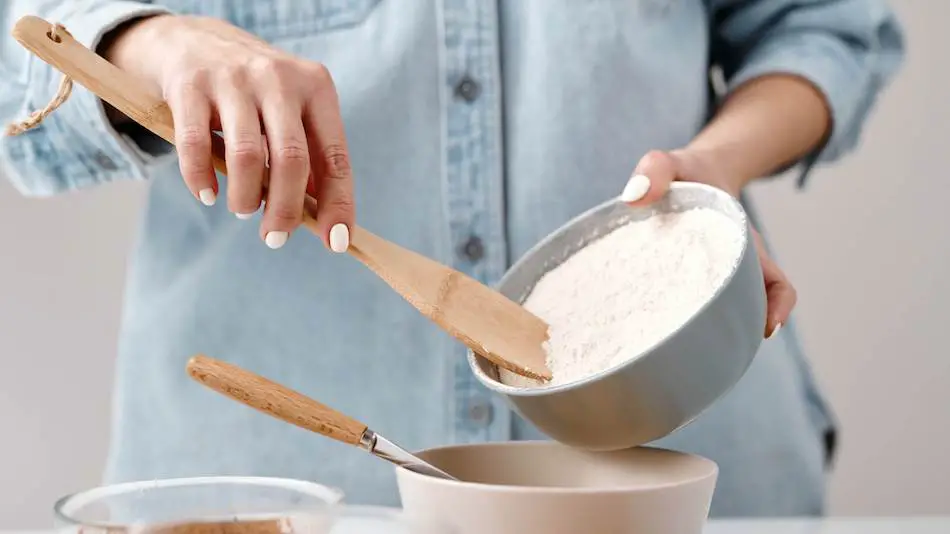
French bread can be made with whole wheat flour. Whole wheat flour is denser and heavier than white flour, and it has a stronger flavor. Whole wheat flour can be used on its own or mixed with white flour to make a French bread.
If you’re using whole wheat flour on its own, you may need to add more water to the dough to make it more pliable, and it may take longer to rise. Whole wheat flour also tends to make the bread denser, so it’s important to let the dough rise fully to achieve a light and airy bread.
Here is a recipe for making French bread with whole wheat flour:
Ingredients:
- 400g (about 3 cups) whole wheat flour
- 10g (about 2 tsp) salt
- 300ml (about 1 1/4 cups) lukewarm water
- cornmeal or semolina flour (for dusting)
Instructions:
- In a large mixing bowl, combine the whole wheat flour and salt. Gradually add the lukewarm water, mixing until a sticky dough forms.
- Knead the dough by hand on a lightly floured surface for about 10 minutes, or until it becomes smooth and elastic.
- Transfer the dough to a lightly oiled bowl, cover with plastic wrap and let it ferment for about 2-4 hours or until it doubles in size.
- After the fermentation time, punch down the dough and divide it into 2 equal pieces.
- Shape each piece of dough into a long, thin loaf (about 30cm/12 inches) and place it on a baking sheet lined with parchment paper that has been dusted with cornmeal or semolina flour.
- Cover the loaves with a kitchen towel and let them rise for another 1-2 hours.
- Preheat the oven to 450°F (230°C).
- Using a sharp knife, make diagonal slashes across the top of each loaf.
- Place the baking sheet in the oven and bake for about 25-30 minutes, or until the bread is golden brown and sounds hollow when tapped on the bottom.
- Remove the bread from the oven and transfer it to a wire rack to cool completely.
It’s important to note that using whole wheat flour will change the texture and the taste of the bread, and it will have a more rustic and hearty appearance.
How do I make a gluten-free French bread?
Making gluten-free French bread can be a bit more challenging than making traditional French bread, as gluten-free flours do not have the same properties as wheat flour. However, it is possible to make a delicious gluten-free French bread with the right combination of gluten-free flours and ingredients.
Here is a recipe for making gluten-free French bread:
Ingredients:
- 200g (about 1 1/2 cups) gluten-free all-purpose flour
- 100g (about 3/4 cup) tapioca starch
- 50g (about 1/4 cup) sorghum flour
- 2 tsp xanthan gum
- 2 tsp active dry yeast
- 1 tsp sugar
- 1 tsp salt
- 1 tsp apple cider vinegar
- 2 eggs, room temperature
- 1/2 cup lukewarm water
Instructions:
- In a large mixing bowl, combine the gluten-free all-purpose flour, tapioca starch, sorghum flour, xanthan gum, yeast, sugar, and salt.
- In a small bowl, mix together the apple cider vinegar, eggs, and lukewarm water.
- Gradually add the wet ingredients to the dry ingredients and mix until a sticky dough forms.
- Knead the dough by hand on a lightly floured surface for about 5-10 minutes, or until it becomes smooth and elastic.
- Transfer the dough to a lightly oiled bowl, cover with plastic wrap and let it ferment for about 1-2 hours or until it doubles in size.
- After the fermentation time, punch down the dough and divide it into 2 equal pieces.
- Shape each piece of dough into a long, thin loaf (about 30cm/12 inches) and place it on a baking sheet lined with parchment paper.
- Cover the loaves with a kitchen towel and let them rise for another 30-45 minutes.
- Preheat the oven to 350°F (175°C).
- Using a sharp knife, make diagonal slashes across the top of each loaf.
- Place the baking sheet in the oven and bake for about 25-30 minutes, or until the bread is golden brown.
- Remove the bread from the oven and transfer it to a wire rack to cool completely.
It’s important to note that gluten-free flours do not rise in the same way as wheat flour, so the bread will have a different texture and appearance.
How do I make a vegan French bread?
Making vegan French bread is possible by using plant-based ingredients in place of traditional ingredients like eggs and butter. Here is a recipe for making vegan French bread:
Ingredients:
- 500g (about 4 cups) bread flour
- 2 tsp active dry yeast
- 1 tsp sugar
- 1 tsp salt
- 1 cup lukewarm water
- 1/4 cup unsweetened non-dairy milk
- 2 tbsp olive oil
Instructions:
- In a large mixing bowl, combine the bread flour, yeast, sugar, and salt.
- In a separate small bowl, mix together the lukewarm water, non-dairy milk, and olive oil.
- Gradually add the wet ingredients to the dry ingredients and mix until a dough forms.
- Knead the dough by hand on a lightly floured surface for about 10-15 minutes, or until it becomes smooth and elastic.
- Transfer the dough to a lightly oiled bowl, cover with plastic wrap and let it ferment for about 1-2 hours or until it doubles in size.
- After the fermentation time, punch down the dough and divide it into 2 equal pieces.
- Shape each piece of dough into a long, thin loaf (about 30cm/12 inches) and place it on a baking sheet lined with parchment paper.
- Cover the loaves with a kitchen towel and let them rise for another 30-45 minutes.
- Preheat the oven to 350°F (175°C).
- Using a sharp knife, make diagonal slashes across the top of each loaf.
- Place the baking sheet in the oven and bake for about 25-30 minutes, or until the bread is golden brown.
- Remove the bread from the oven and transfer it to a wire rack to cool completely.
Note that, depending on the type of non-dairy milk you use, the bread may have a slightly different texture and taste.
How do I make a low-carb French bread?
Making low-carb French bread requires using low-carb ingredients in place of traditional ingredients like flour. Here is a recipe for making low-carb French bread:
Ingredients:
- 1 cup almond flour
- 1/4 cup coconut flour
- 1/4 cup flaxseed meal
- 1 tsp baking powder
- 1/2 tsp salt
- 1/4 cup olive oil
- 1/4 cup water
- 3 eggs
- 1 tsp apple cider vinegar
Instructions:
- In a large mixing bowl, combine the almond flour, coconut flour, flaxseed meal, baking powder, and salt.
- In a separate small bowl, mix together the olive oil, water, eggs, and apple cider vinegar.
- Gradually add the wet ingredients to the dry ingredients and mix until a dough forms.
- Knead the dough by hand on a lightly floured surface for about 5-10 minutes, or until it becomes smooth.
- Transfer the dough to a lightly oiled bowl, cover with plastic wrap and let it ferment for about 30-60 minutes.
- Preheat the oven to 350°F (175°C).
- Divide the dough into 2 equal pieces and shape each piece into a long, thin loaf (about 30cm/12 inches) and place it on a baking sheet lined with parchment paper.
- Cover the loaves with a kitchen towel and let them rise for another 30-45 minutes.
- Using a sharp knife, make diagonal slashes across the top of each loaf.
- Place the baking sheet in the oven and bake for about 25-30 minutes, or until the bread is golden brown.
- Remove the bread from the oven and transfer it to a wire rack to cool completely.
Note that, the bread made with almond flour and coconut flour may have a slightly different texture and taste than traditional bread. Also, the bread may not rise as much as traditional bread. You can also use other types of low-carb flour like coconut flour, ground flaxseed, and sunflower seed flour to make low-carb French bread.
How do I make a keto French bread?
Making keto French bread requires using ingredients that are low in carbohydrates and high in healthy fats, such as almond flour, flaxseed meal and psyllium husk. Here is a recipe for making keto French bread:
Ingredients:
- 2 cups almond flour
- 1/4 cup flaxseed meal
- 2 tbsp psyllium husk powder
- 1 tsp baking powder
- 1 tsp salt
- 1/4 cup olive oil
- 1/2 cup water
- 3 eggs
- 1 tsp apple cider vinegar
Instructions:
- In a large mixing bowl, combine the almond flour, flaxseed meal, psyllium husk powder, baking powder, and salt.
- In a separate small bowl, mix together the olive oil, water, eggs, and apple cider vinegar.
- Gradually add the wet ingredients to the dry ingredients and mix until a dough forms.
- Knead the dough by hand on a lightly floured surface for about 5-10 minutes, or until it becomes smooth.
- Transfer the dough to a lightly oiled bowl, cover with plastic wrap and let it ferment for about 30-60 minutes.
- Preheat the oven to 350°F (175°C).
- Divide the dough into 2 equal pieces and shape each piece into a long, thin loaf (about 30cm/12 inches) and place it on a baking sheet lined with parchment paper.
- Cover the loaves with a kitchen towel and let them rise for another 30-45 minutes.
- Using a sharp knife, make diagonal slashes across the top of each loaf.
- Place the baking sheet in the oven and bake for about 25-30 minutes, or until the bread is golden brown.
- Remove the bread from the oven and transfer it to a wire rack to cool completely.
Note that, the bread made with almond flour and flaxseed meal may have a slightly different texture and taste than traditional bread. Also, the bread may not rise as much as traditional bread. You can also use other types of low-carb flour like coconut flour, sunflower seed flour and sesame seed flour to make keto French bread.
How do I make a paleo French bread?
Making paleo French bread requires using ingredients that are compliant with the paleo diet, such as almond flour, coconut flour, and eggs. Here is a recipe for making paleo French bread:
Ingredients:
- 1 1/2 cups almond flour
- 1/2 cup coconut flour
- 1 tsp baking powder
- 1/2 tsp salt
- 3 eggs
- 1/4 cup olive oil
- 1/4 cup water
Instructions:
- In a large mixing bowl, combine the almond flour, coconut flour, baking powder, and salt.
- In a separate small bowl, mix together the eggs, olive oil, and water.
- Gradually add the wet ingredients to the dry ingredients and mix until a dough forms.
- Knead the dough by hand on a lightly floured surface for about 5-10 minutes, or until it becomes smooth.
- Transfer the dough to a lightly oiled bowl, cover with plastic wrap and let it ferment for about 30-60 minutes.
- Preheat the oven to 350°F (175°C).
- Divide the dough into 2 equal pieces and shape each piece into a long, thin loaf (about 30cm/12 inches) and place it on a baking sheet lined with parchment paper.
- Cover the loaves with a kitchen towel and let them rise for another 30-45 minutes.
- Using a sharp knife, make diagonal slashes across the top of each loaf.
- Place the baking sheet in the oven and bake for about 25-30 minutes, or until the bread is golden brown.
- Remove the bread from the oven and transfer it to a wire rack to cool completely.
Note that, the bread made with almond flour and coconut flour may have a slightly different texture and taste than traditional bread. Also, the bread may not rise as much as traditional bread. You can also use other types of paleo-compliant flour like tapioca flour, arrowroot flour and chestnut flour to make paleo French bread.
How do I make a French bread with seeds or nuts?
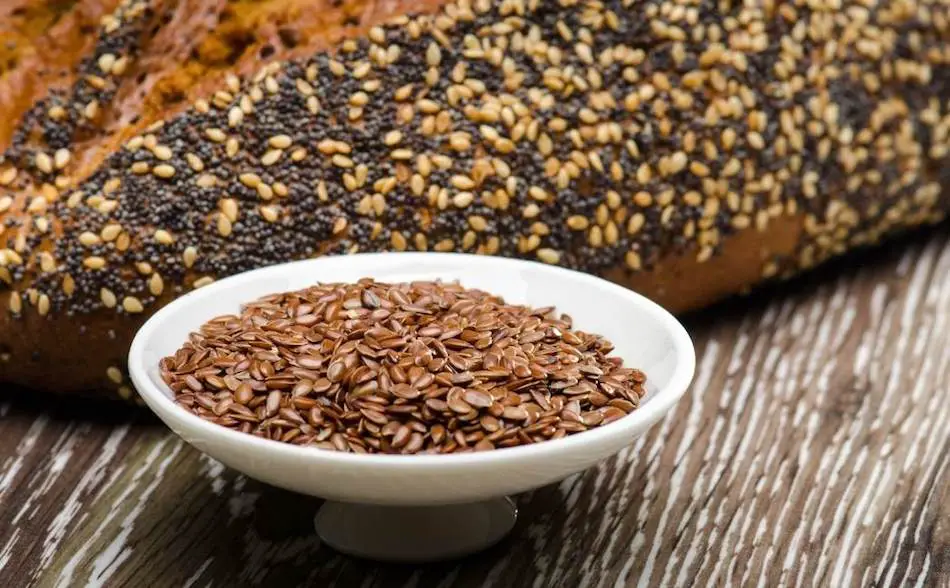
Making French bread with seeds or nuts is a great way to add additional flavor and texture to the bread. Here is a recipe for making a French bread with seeds:
Ingredients:
- 3 cups all-purpose flour
- 1 tsp salt
- 1 tsp sugar
- 1 tbsp active dry yeast
- 1 1/2 cups warm water
- 2 tbsp sesame seeds
- 2 tbsp pumpkin seeds
- 2 tbsp sunflower seeds
Instructions:
- In a large mixing bowl, combine the flour, salt, sugar, and yeast.
- Slowly add the warm water and mix until a dough forms.
- Knead the dough by hand on a lightly floured surface for about 10-15 minutes, or until it becomes smooth and elastic.
- Transfer the dough to a lightly oiled bowl, cover with plastic wrap and let it ferment for about 1-2 hours, or until it has doubled in size.
- Preheat the oven to 425°F (220°C).
- Once the dough has risen, punch it down and roll it out into a long, thin loaf (about 30cm/12 inches)
- Place the loaf on a baking sheet lined with parchment paper.
- Mix the sesame seeds, pumpkin seeds, and sunflower seeds together in a small bowl.
- Sprinkle the seed mixture over the top of the loaf, pressing the seeds lightly into the dough.
- Using a sharp knife, make diagonal slashes across the top of the loaf.
- Place the baking sheet in the oven and bake for about 25-30 minutes, or until the bread is golden brown and sounds hollow when tapped on the bottom.
- Remove the bread from the oven and transfer it to a wire rack to cool completely.
You can also add nuts such as chopped almonds, hazelnuts, or walnuts in the dough or sprinkle over the dough before baking.
Can I make French bread with a bread starter?
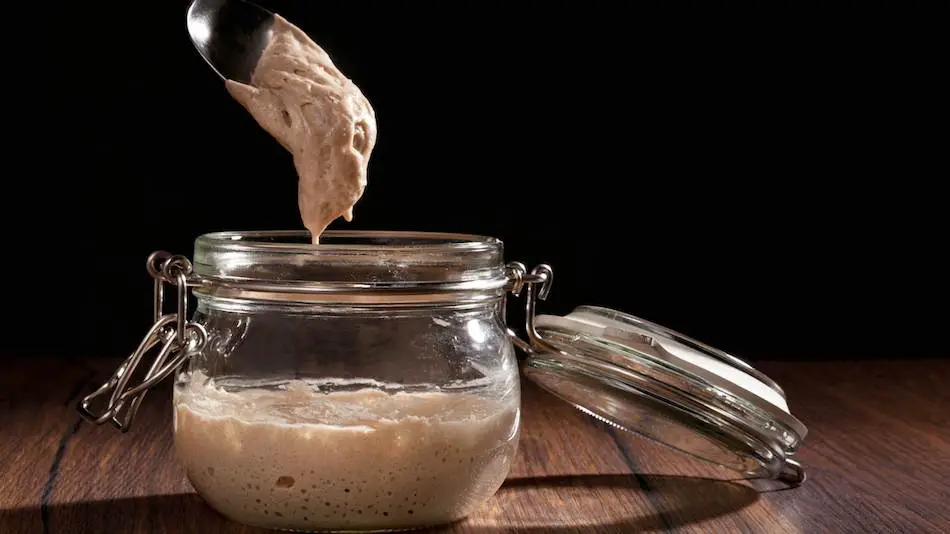
You can also make French bread using a bread starter. A bread starter, also known as a “levain” or “sourdough starter,” is a mixture of flour and water that has been fermented with wild yeast and bacteria. It can be used to add flavor and structure to breads, and can also help the bread rise.
Here is an example of a traditional French bread recipe that uses a bread starter:
Ingredients:
- 3 cups all-purpose flour
- 1 tsp salt
- 1 cup active sourdough starter
- 1 cup warm water
Instructions:
- In a large mixing bowl, combine the flour, salt, and sourdough starter.
- Slowly add the warm water and mix until a dough forms.
- Knead the dough by hand on a lightly floured surface for about 10-15 minutes, or until it becomes smooth and elastic.
- Transfer the dough to a lightly oiled bowl, cover with plastic wrap and let it ferment for about 4-6 hours or overnight, or until it has doubled in size.
- Preheat the oven to 425°F (220°C).
- Once the dough has risen, punch it down and roll it out into a long, thin loaf (about 30cm/12 inches)
- Place the loaf on a baking sheet lined with parchment paper.
- Using a sharp knife, make diagonal slashes across the top of the loaf.
- Place the baking sheet in the oven and bake for about 25-30 minutes, or until the bread is golden brown and sounds hollow when tapped on the bottom.
- Remove the bread from the oven and transfer it to a wire rack to cool completely.
When using a bread starter, it’s important to remember that the fermentation time may vary depending on the strength and activity of the starter.
How do I make a French bread with herbs or spices?
French bread can also be made with herbs or spices by incorporating them into the dough mixture. Here is an example recipe for French bread with herbs:
Ingredients:
- 3 cups all-purpose flour
- 1 tsp salt
- 1 tbsp dried herbs (such as rosemary, thyme, or oregano)
- 1 1/2 cups warm water
- 2 tsp active dry yeast
Instructions:
- In a large mixing bowl, combine the flour, salt, and dried herbs.
- In a separate small bowl, combine the warm water, yeast, and let it sit for 5 minutes until the yeast is activated and frothy.
- Add the yeast mixture to the flour mixture and mix until a dough forms.
- Knead the dough by hand on a lightly floured surface for about 10-15 minutes, or until it becomes smooth and elastic.
- Transfer the dough to a lightly oiled bowl, cover with plastic wrap and let it ferment for about 1-2 hours or until it has doubled in size.
- Preheat the oven to 425°F (220°C).
- Once the dough has risen, punch it down and roll it out into a long, thin loaf (about 30cm/12 inches)
- Place the loaf on a baking sheet lined with parchment paper.
- Using a sharp knife, make diagonal slashes across the top of the loaf.
- Place the baking sheet in the oven and bake for about 25-30 minutes, or until the bread is golden brown and sounds hollow when tapped on the bottom.
- Remove the bread from the oven and transfer it to a wire rack to cool completely.
You can also add other herbs or spices to the recipe such as garlic powder, onions powder, black pepper, or sesame seeds. The key is to adjust the amount of the herbs or spices to your liking and make sure not to add too much, as it can affect the final texture of the bread.
Can I make French bread with a food processor?
Yes, it is possible using a food processor. to make French bread The food processor can be used to mix and knead the dough, which can save time and effort compared to doing it by hand. Here is an example recipe for French bread made using a food processor:
Ingredients:
- 3 cups all-purpose flour
- 1 tsp salt
- 1 1/2 cups warm water
- 2 tsp active dry yeast
Instructions:
- In the bowl of a food processor fitted with a dough blade, combine the flour and salt.
- In a small bowl, combine the warm water and yeast, let it sit for 5 minutes until the yeast is activated and frothy.
- Slowly pour the yeast mixture into the flour mixture while the food processor is running. The dough will come together into a rough ball.
- Run the food processor for an additional 1-2 minutes until the dough becomes smooth and elastic.
- Transfer the dough to a lightly oiled bowl, cover with plastic wrap and let it ferment for about 1-2 hours or until it has doubled in size.
- Preheat the oven to 425°F (220°C).
- Once the dough has risen, punch it down and roll it out into a long, thin loaf (about 30cm/12 inches)
- Place the loaf on a baking sheet lined with parchment paper.
- Using a sharp knife, make diagonal slashes across the top of the loaf.
- Place the baking sheet in the oven and bake for about 25-30 minutes, or until the bread is golden brown and sounds hollow when tapped on the bottom.
- Remove the bread from the oven and transfer it to a wire rack to cool completely.
How do I make French bread with a dutch oven?
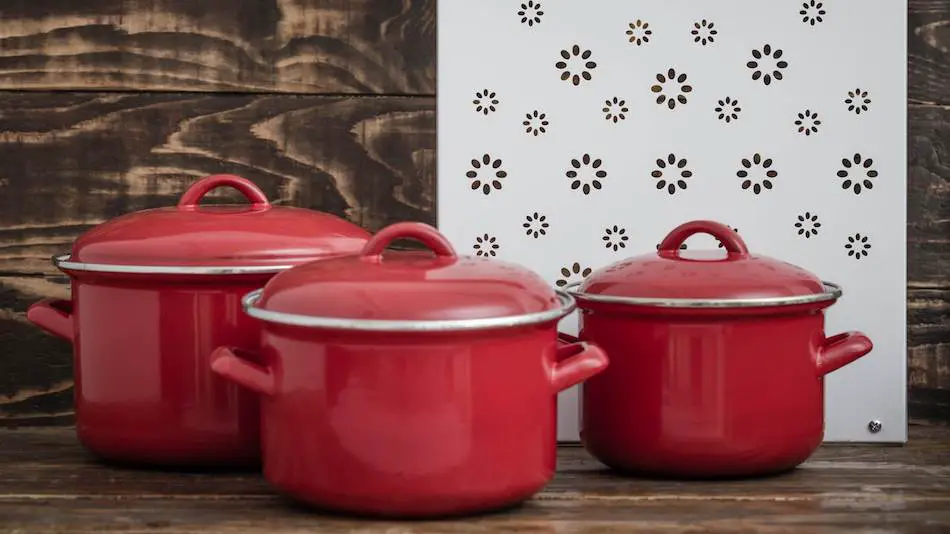
Making French bread in a Dutch oven is a great way to achieve a crispy crust and a soft, airy interior. The Dutch oven creates a humid environment that helps the bread rise and form a beautiful crust. Here is an example recipe for making French bread in a Dutch oven:
Ingredients:
- 500g of bread flour
- 350ml of water
- 1 tsp salt
- 2 tsp active dry yeast
Instructions:
- In a large mixing bowl, combine the flour, salt, and yeast. Slowly add in the water, mixing until the dough comes together.
- Knead the dough for 10-15 minutes until it becomes smooth and elastic.
- Place the dough in a lightly oiled bowl, cover with plastic wrap and let it ferment for about 2 hours or until it has doubled in size.
- Preheat the oven to 450°F (230°C) and place the Dutch oven with the lid on in the oven to preheat as well.
- Once the dough has risen, punch it down and roll it out into a long, thin loaf (about 30cm/12 inches)
- Carefully remove the hot Dutch oven from the oven and place the loaf of dough in it.
- Place the lid on the Dutch oven and put it back in the oven.
- Bake for 30 minutes with the lid on.
- Remove the lid and continue baking for an additional 15-20 minutes, or until the bread is golden brown and sounds hollow when tapped on the bottom.
- Remove the bread from the oven and transfer it to a wire rack to cool completely.
How do I make French bread with a baking stone?
Making French bread with a baking stone is a great way to achieve a crispy crust and a well-formed loaf. The baking stone helps to create a hot and humid environment that allows the bread to rise and form a beautiful crust. Here is an example recipe for making French bread with a baking stone:
Ingredients:
- 500g of bread flour
- 350ml of water
- 1 tsp salt
- 2 tsp active dry yeast
Instructions:
- In a large mixing bowl, combine the flour, salt, and yeast. Slowly add in the water, mixing until the dough comes together.
- Knead the dough for 10-15 minutes until it becomes smooth and elastic.
- Place the dough in a lightly oiled bowl, cover with plastic wrap and let it ferment for about 2 hours or until it has doubled in size.
- Preheat the oven to 450°F (230°C) and place the baking stone in the oven to preheat as well.
- Once the dough has risen, punch it down and roll it out into a long, thin loaf (about 30cm/12 inches)
- Carefully remove the hot baking stone from the oven and sprinkle it with cornmeal or flour.
- Place the loaf of dough on the baking stone and make slits on the top of the bread using a sharp object such as a razor blade or a bread lame
- Place the bread in the oven and bake for 30 minutes, or until the bread is golden brown and sounds hollow when tapped on the bottom.
- Remove the bread from the oven and transfer it to a wire rack to cool completely.
It is important to note that when using a baking stone you should use enough cornmeal or flour to keep the bread from sticking and also you should use a sharp object like a razor blade to make slits on the bread before you bake it. This will allow the bread to expand and create a nice crust.
How do I make French bread with a baking sheet?
Making French bread with a baking sheet is a great way to achieve a crispy crust and a well-formed loaf. A baking sheet can be used in place of a baking stone and can produce similar results. Here is an example recipe for making French bread with a baking sheet:
Ingredients:
- 500g of bread flour
- 350ml of water
- 1 tsp salt
- 2 tsp active dry yeast
Instructions:
- In a large mixing bowl, combine the flour, salt, and yeast. Slowly add in the water, mixing until the dough comes together.
- Knead the dough for 10-15 minutes until it becomes smooth and elastic.
- Place the dough in a lightly oiled bowl, cover with plastic wrap and let it ferment for about 2 hours or until it has doubled in size.
- Preheat the oven to 450°F (230°C) and place the baking sheet in the oven to preheat as well.
- Once the dough has risen, punch it down and roll it out into a long, thin loaf (about 30cm/12 inches)
- Carefully remove the hot baking sheet from the oven and sprinkle it with cornmeal or flour.
- Place the loaf of dough on the baking sheet and make slits on the top of the bread using a sharp object such as a razor blade or a bread lame.
- Place the bread in the oven and bake for 30 minutes, or until the bread is golden brown and sounds hollow when tapped on the bottom.
- Remove the bread from the oven and transfer it to a wire rack to cool completely.
It is important to note that when using a baking sheet, you should use enough cornmeal or flour to keep the bread from sticking, and also you should use a sharp object like a razor blade to make slits on the bread before you bake it. This will allow the bread to expand and create a nice crust.
How do I make French bread with a cast iron skillet?
To make French bread using a cast iron skillet, you will need the following ingredients:
- 3 cups of all-purpose flour
- 1/2 tsp of active dry yeast
- 1 1/2 tsp of salt
- 1 1/2 cups of water
Instructions:
- In a large bowl, mix together the flour, yeast, and salt.
- Gradually add in the water, mixing until a sticky dough forms.
- Knead the dough on a floured surface for about 10 minutes, until it becomes smooth and elastic.
- Place the dough back into the bowl, cover with plastic wrap, and let it rise for about 1 hour in a warm place.
- Preheat your cast iron skillet on medium-high heat.
- Once the dough has risen, shape it into a round loaf and place it in the skillet.
- Cover the skillet with a lid or foil and bake the bread in the skillet for 30 minutes.
- Remove the lid or foil and bake for an additional 10-15 minutes, until the bread is golden brown and crusty.
How do I make French bread with a silicone baking mat?
To make French bread using a silicone baking mat, you will need the following ingredients:
- 3 cups of all-purpose flour
- 1/2 tsp of active dry yeast
- 1 1/2 tsp of salt
- 1 1/2 cups of water
Instructions:
- In a large bowl, mix together the flour, yeast, and salt.
- Gradually add in the water, mixing until a sticky dough forms.
- Knead the dough on a floured surface for about 10 minutes, until it becomes smooth and elastic.
- Place the dough back into the bowl, cover with plastic wrap, and let it rise for about 1 hour in a warm place.
- Once the dough has risen, shape it into a long, thin loaf and place it on a silicone baking mat.
- Make a few diagonal slashes on the top of the dough with a sharp knife.
- Preheat your oven to 425°F (220°C) and place the baking mat with the dough on it in the oven.
- Bake the bread for 25-30 minutes, until the bread is golden brown and crusty.
- Remove the bread from the oven and let it cool before slicing.
Note: The silicone baking mat will allow the bread to cook evenly and prevent it from sticking to the baking sheet.