


The sourness of sourdough bread is what sets it apart from all other breads. That tangy, acidic flavor that tantalizes our taste buds, it’s a true masterpiece of baking science. But what exactly creates this sour taste? How does it come about, and how can we control it? That’s what we’re going to be talking about in this article. Understanding the factors that contribute to the sourness of sourdough, and how we can adjust it to our liking. So let’s get started, and discover the secrets behind that unbeatable sourdough flavor.
The sourness of sourdough is mostly determined by the age of the starter, hydration level of the dough, fermentation time, temperature during fermentation, acid-to-flour ratio in the starter, type of flour used, feeding frequency and quantity of the starter, and presence of other microorganisms in the starter. The thread also includes a table with steps on how to make a sourdough starter and mentions that the time and frequency of feeding will depend on environmental factors.
What Makes Sourdough Sour?
- Age of the starter
- Hydration level of the dough
- Fermentation time
- Temperature during fermentation
- Acid-to-flour ratio in the starter
- Type of flour used
- Feeding frequency and quantity of the starter
- Presence of other microorganisms in the starter
Sourdough tastes sour because of the lactic acid produced by lactic acid bacteria during fermentation. These bacteria naturally occur in flour and on the surface of grains, and when mixed with water to create a sourdough starter, they feed on the sugars in the flour and produce lactic acid. As the sourdough ferments, the bacteria continue to produce lactic acid, which contributes to the sour flavor. The sour taste of sourdough bread is balanced by the yeast in the starter, which also ferments the dough and contributes to the bread’s overall flavor and texture.

How to Make Sourdough More Sour or Less Sour
To make sourdough more sour:
- Increase fermentation time – longer fermentation time allows for more lactic acid to be produced, resulting in a sourer flavor.
- Use a mature starter – a well-established, mature starter will have a higher population of lactic acid bacteria, resulting in a sourer flavor.
- Reduce the amount of flour and increase the amount of water in the dough – a wetter dough ferments faster and produces more lactic acid, resulting in a sourer flavor.
To make sourdough less sour:
- Reduce fermentation time – shorter fermentation time results in less lactic acid production and a milder flavor.
- Use a younger starter – a younger starter will have a lower population of lactic acid bacteria, resulting in a milder flavor.
- Increase the amount of flour and reduce the amount of water in the dough – a drier dough ferments slower and produces less lactic acid, resulting in a milder flavor.
The Importance of Hydration and Fermentation Time
The hydration and fermentation time of your sourdough dough is absolutely crucial when it comes to flavor. You see, the hydration level determines the texture of the bread and how much it can hold onto the flavor from the fermentation process.
And the fermentation time, well that’s the time it takes for the natural yeast and bacteria to develop and enhance the sourdough’s unique taste. If either the hydration or fermentation time is off, it can throw the entire flavor profile out of balance. So it’s crucial that we get these elements just right, folks, for a loaf of bread that’s truly worth savoring.
Understanding the Factors that Affect Sourdough Flavor
When it comes to sourdough bread, flavor is everything. And understanding the factors that affect the flavor of sourdough is key to baking a delicious loaf every time. There are a number of elements that contribute to the tangy, acidic taste that makes sourdough so special. From the hydration levels of the dough, to the temperature at which it ferments, to the age of the starter culture, every detail plays a role. And by understanding these factors, we can bake better bread and create that perfect balance of tangy, savory flavor.
The Role of Starter Age in Sourdough Flavor
The sourness of sourdough bread is one of the key factors to consider is the age of the starter. The starter is the heart and soul of sourdough bread, and it’s where all the magic happens. As the starter ferments, it undergoes a complex dance of yeast and bacteria, producing a range of flavors and acids. And one of the main contributors to the sourness of sourdough is the lactic acid produced by the lactic acid bacteria in the starter.
The Age of the Starter
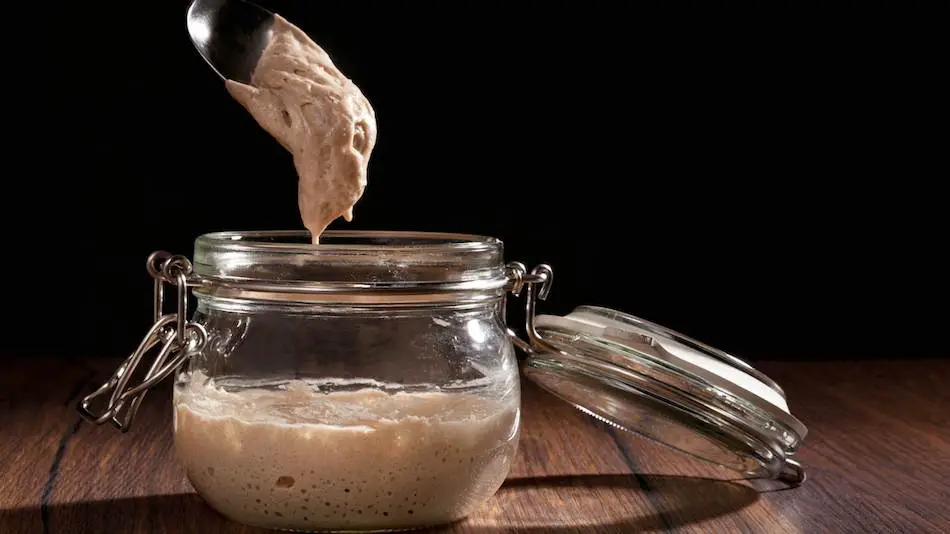
The age of the starter has a direct impact on the sourness of the bread. A mature starter, one that has been fed and fermented over a period of several days or even weeks, will have a higher population of lactic acid bacteria. This means that a mature starter will produce more lactic acid and result in a sourer flavor.
On the other hand, a younger starter, one that has been fed and fermented for a shorter period of time, will have a lower population of lactic acid bacteria, resulting in a milder flavor.
Hydration Level of the Dough
The hydration level, or the amount of water in the dough, can have a significant impact on the sourness of the bread.
Higher hydration levels result in a more open, airy texture, but also result in a more rapid fermentation. This means that the yeast and bacteria in the starter will have more moisture to work with, producing more acids and contributing to a sourer flavor.
On the other hand, lower hydration levels result in a denser, more compact texture, but also result in a slower fermentation. This means that the yeast and bacteria will have less moisture to work with, producing fewer acids, and resulting in a milder flavor.
So when it comes to sourdough bread, the hydration level of the dough is an important factor to consider. Understanding this, and knowing how to adjust the hydration level of your dough, is a crucial part of the baking process, and it’s what allows you to control the sourness of your bread to your liking.
Fermentation Time
The third crucial factor in determining the sourness of sourdough bread is fermentation time. The fermentation time refers to the length of time that the dough is allowed to ferment before being baked. And this time can have a big impact on the final flavor of the bread.
Longer fermentation times allow the yeast and bacteria in the starter to produce more acids, contributing to a sourer flavor. This is because the yeast and bacteria have more time to consume the sugars in the dough and convert them into acids.
A shorter fermentation times result in less acid production, resulting in a milder flavor.
Again, all these things allow you to control the sourness of your bread to your liking.
Temperature During Fermentation
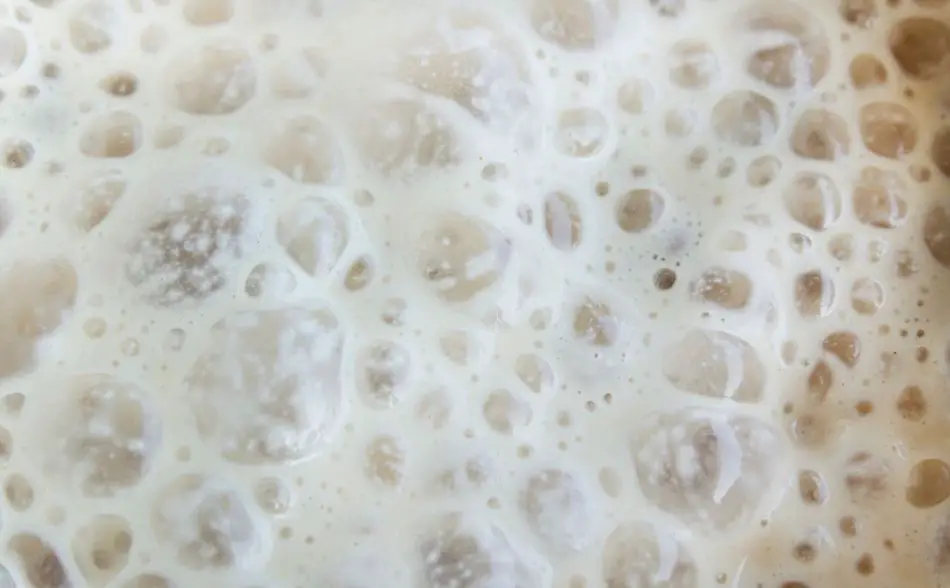
Temperature plays a critical role in the fermentation process, affecting the activity of the yeast and bacteria in the starter.
Higher temperatures promote more rapid fermentation, allowing the yeast and bacteria to produce more acids, contributing to a sourer flavor. On the other hand, lower temperatures result in slower fermentation, producing fewer acids and resulting in a milder flavor.
The temperature during fermentation is a critical factor to consider. Understanding this, and knowing how to maintain the appropriate temperature for your dough, is a crucial part of the baking process, and it’s what allows you to control the sourness of your bread to your liking.
Acid-to-Flour Ratio in the Starter
Another aspect of sourdough that affects the final flavor: the acid-to-flour ratio in the starter. The ratio of acid to flour in the starter is a major factor in determining the sourness of the bread.
A higher acid-to-flour ratio means that there is more acid in the starter relative to the flour, resulting in a sourer flavor. This is because the yeast and bacteria in the starter have more acid to work with, producing more acids as they ferment the dough.
A lower acid-to-flour ratio results in a milder flavor, as the yeast and bacteria have less acid to work with.
Type of Flour Used. How Does that Effect Sourness?
Different levels of sugar, protein, and other elements that can impact the fermentation process and, ultimately, the sourness of the bread.
For example, flour with a higher sugar content will result in a more rapid fermentation and a sourer flavor, as the yeast and bacteria in the starter have more sugar to consume. On the other hand, flour with a lower sugar content will result in slower fermentation and a milder flavor.

What is the Correct Amount of Flour?
Different types of flour have different levels of sugar, protein, and other elements that can impact the fermentation process and, ultimately, the sourness of the bread. For example, flour with a higher sugar content will result in a more rapid fermentation and a sourer flavor, as the yeast and bacteria in the starter have more sugar to consume.
On the other hand, flour with a lower sugar content will result in slower fermentation and a milder flavor. So, friends, when it comes to sourdough bread, the type of flour used is a significant factor to consider.
So the best flour for sourdough is subjective and can vary depending on personal preference and the desired level of sourness. Generally, a higher-protein flour, such as bread flour, is recommended for sourdough bread because it helps produce a strong, chewy texture.
However, the type of flour that will result in the best sourdough flavor will also depend on the other factors, such as the age of the starter, hydration level, fermentation time, temperature, and acid-to-flour ratio.
For a sourer flavor, bakers may opt for a flour with a higher sugar content, such as whole wheat flour, which will result in a more rapid fermentation. For a milder flavor, bakers may prefer to use a flour with a lower sugar content, such as all-purpose flour.
To achieve the desired level of sourness, bakers may need to experiment with different amounts of flour, adjusting the other variables as necessary, until they find the combination that works best for their particular recipe and preferences.
Acid-to-flour Ratio in the Starter
Some sources recommend a ratio of 1:1 (one part acid to one part flour), while others suggest a ratio of 1:2 or 1:3. The ideal ratio will depend on several factors, including the type of flour used, the desired level of sourness, and the specific recipe being followed.
Feeding Frequency and Quantity of the Starter
When it comes to feeding your starter, the frequency and quantity are important factors to consider. A well-fed starter should be refreshed with equal parts flour and water at regular intervals to keep it active and healthy. The frequency of feeding will depend on several factors, including the temperature and humidity of your kitchen, the type of flour used, and the desired level of sourness.
As a general rule, a warmer kitchen will require more frequent feedings, as the yeast and bacteria in the starter will be more active. On the other hand, if your kitchen is cooler, you may need to feed your starter less often.
When it comes to the quantity of feeding, it’s important to remember that too much flour and water can lead to an overactive starter, while too little can result in a sluggish, underfed starter.
Presence of Other Microorganisms in the Starter
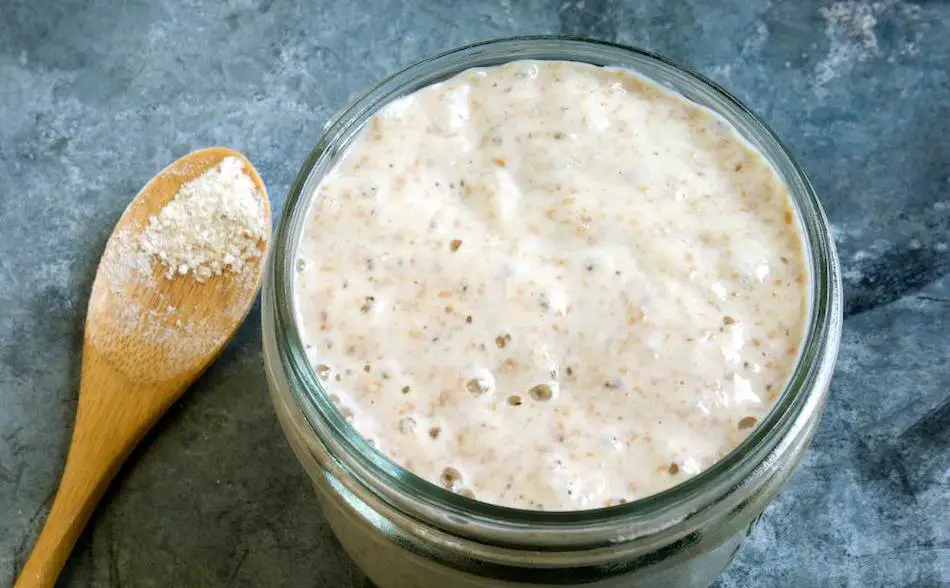
My fellow bakers, let’s talk about a lesser-known but important aspect of sourdough bread making: the presence of other microorganisms in the starter. You see, sourdough starters are complex ecosystems made up of a variety of yeast and bacteria.
While the yeast and bacteria in the starter play a crucial role in the sourdough fermentation process, other microorganisms can also be present in the starter, such as mold or wild yeast strains. These microorganisms can have a significant impact on the final flavor and texture of your bread.
In some cases, the presence of other microorganisms can lead to unwanted flavors or a change in the acidity of the dough. On the other hand, they can also contribute to the overall complexity and depth of flavor in the final bread.
Sourdough FAQs
- What is sourdough bread and why does it taste sour?
- Sourdough bread is a type of bread made with a fermented mixture of flour and water, known as a sourdough starter. The sour taste is the result of the fermentation process, where yeast and bacteria in the starter consume the sugar in the dough and produce lactic and acetic acid, giving the bread its signature sour flavor.
- What factors affect the sourness of sourdough bread?
- Age of the starter, hydration level of the dough, fermentation time, temperature during fermentation, acid-to-flour ratio in the starter, type of flour used, feeding frequency and quantity of the starter, and presence of other microorganisms in the starter can all affect the sourness of sourdough bread.
- What is the best flour to use for sourdough bread?
- The type of flour used can impact the fermentation process and the final flavor of the bread. Flour with a higher sugar content will result in a more rapid fermentation and a sourer flavor, while flour with a lower sugar content will result in slower fermentation and a milder flavor.
- What is the correct acid-to-flour ratio in the starter?
- The exact acid-to-flour ratio in the starter can vary based on a variety of factors, such as the type of flour used, the age of the starter, and the desired flavor. Generally, a 1:1 or 2:1 ratio of flour to water is recommended for a healthy sourdough starter.
- How does feeding frequency and quantity of the starter impact sourdough flavor?
- Feeding frequency and quantity of the starter can impact the strength and health of the yeast and bacteria in the starter, and ultimately, the final flavor of the bread. Regular feeding with the appropriate amount of flour and water is important to maintain a healthy starter and ensure that the bread has the desired flavor.
- What is the role of other microorganisms in the sourdough starter?
- Other microorganisms, such as mold or wild yeast strains, can also be present in the sourdough starter and impact the final flavor and texture of the bread. Maintaining a healthy starter, through regular feeding and proper storage in a clean working environment, is important to ensure that the sourdough bread has the desired flavor.
Basic Sourdough Recipe: Step-by-Step
| Ingredients | Quantity |
|---|---|
| Active sourdough starter | 100g |
| Bread flour | 500g |
| Water | 300g |
| Salt | 10g |
| Steps | Time |
|---|---|
| Mix starter, flour, and water in a bowl until well combined. | 10 minutes |
| Cover the bowl and let it rest for 30 minutes (autolyse). | 30 minutes |
| Add salt to the dough and mix until it’s evenly distributed. | 10 minutes |
| Knead the dough for 10 minutes on a floured surface. | 10 minutes |
| Place the dough in a greased bowl, cover and let it rise for 8-12 hours at room temperature. | 8-12 hours |
| Shape the dough into a round or oblong loaf. Let it rise again for 1-2 hours. | 1-2 hours |
| Preheat your oven to 450°F. Place a baking stone or a Dutch oven in the oven to preheat. | 45 minutes |
| Transfer the dough to the hot baking stone or Dutch oven. Bake for 30 minutes. | 30 minutes |
| Remove the loaf from the oven and let it cool on a wire rack. | 1 hour |
How to Make a Sourdough Starter
| Step | Description |
|---|---|
| 1 | Combine equal parts flour and water in a glass or ceramic container. Stir until well mixed. |
| 2 | Cover the container with a cloth or lid and leave it at room temperature. |
| 3 | Feed the starter daily with equal parts flour and water. Stir the mixture well after each feeding. |
| 4 | Observe the starter for signs of growth, such as bubbles and an increase in volume. |
| 5 | Discard half of the mixture before each feeding to control the size of the starter. |
| 6 | Repeat steps 3-5 for at least 7-10 days until the starter is consistently bubbly and active. |
| 7 | Store the starter in the refrigerator when not in use. Remove from the fridge and feed daily for a day or two before using. |