

Many home bakers struggle with achieving the perfect rise in French bread. In this article, we’ll explore the common causes of poor rise in French bread, and provide you with solutions to help you achieve that delicious crusty exterior and airy interior that we all love. From understanding the science of yeast and rise, to troubleshooting common issues, to tips for achieving a high rise, we’ve got you covered. So, let’s get started on making the perfect French bread!
French bread not rising properly can be caused by a variety of factors such as poor yeast and rise, over-kneading and over-proofing, using old or inactive yeast, using the wrong ingredients, using the wrong amount of sugar and salt, using substitute ingredients, using different types of flour, improper shaping of the loaf, improper resting and proofing time, improper baking technique, using commercial yeast instead of Sourdough starter, improper storage and freezing. Understanding the science of yeast and rise, troubleshooting common causes, and using the right techniques and ingredients are crucial for achieving the perfect rise and delicious crusty exterior and airy interior in French bread.
Key Points
- Understanding the science of yeast and rise is crucial for achieving the perfect rise in French bread.
- Proper temperature and humidity, measuring ingredients accurately, gluten development, and using the right amount of yeast are important for achieving a good rise.
- Over-kneading and over-proofing can lead to poor rise in French bread.
- Using old or inactive yeast can also lead to poor rise.
- Properly prepping the dough and using the right ingredients are crucial for achieving a delicious French bread.
- Sugar and salt play a crucial role in the fermentation process and in the final flavor of the bread.
- Substitute ingredients can be used in French bread making, but adjustments need to be made to achieve the perfect balance.
- Different types of flour can be used in French bread making, but it’s important to understand their impact on the rise and texture of the bread.
- Tips for achieving a high rise in French bread include using bread flour, the right amount of yeast, paying attention to temperature and humidity, giving the dough enough time to rise, and kneading the dough properly.
- Properly shaping your French loaf is crucial for achieving a delicious crusty exterior and airy interior.
- Resting and proofing time play a crucial role in the fermentation process and in the final texture and flavor of the bread.
- Using a Dutch oven or steam injection can have a significant impact on the final crust and rise of the bread
- Using a sourdough starter can have a significant impact on the final flavor and texture of the bread.
- Properly storing and freezing dough can have a significant impact on the final flavor and texture of the bread.
Causes | Solutions |
|---|---|
| Poor yeast and rise | Understanding the science of yeast and rise is crucial for achieving the perfect rise in French bread. Proper temperature and humidity, measuring ingredients accurately, gluten development, and using the right amount of yeast are important for achieving a good rise. |
| Over-kneading and over-proofing | Kneading the dough properly and giving the dough enough time to rise. |
| Using old or inactive yeast | Use fresh yeast for best results |
| Using the wrong ingredients | Properly prepping the dough and using the right ingredients are crucial for achieving a delicious French bread. |
| Using the wrong amount of sugar and salt | Paying attention to the recipe and use the right amount of sugar and salt as they play a crucial role in the fermentation process and in the final flavor of the bread |
| Using substitute ingredients | Adjusting the recipe accordingly when using substitute ingredients to achieve the perfect balance. |
| Using different types of flour | Understanding their impact on the rise and texture of the bread and making adjustments accordingly. |
| Improper shaping of the loaf | Properly shaping your French loaf is crucial for achieving a delicious crusty exterior and airy interior. |
| Improper resting and proofing time | Paying attention to resting and proofing time as they play a crucial role in the fermentation process and in the final texture and flavor of the bread. |
| Improper baking technique | Using a Dutch oven or steam injection can have a significant impact on the final crust and rise of the bread |
| Using commercial yeast instead of Sourdough starter | Using a sourdough starter can have a significant impact on the final flavor and texture of the bread. |
| Improper storage and freezing | Properly storing and freezing dough can have a significant impact on the final flavor and texture of the bread. |
Understanding the Science of Yeast and Rise
When it comes to French bread, one of the most important factors in achieving the perfect rise is understanding the science of yeast. Yeast is a living microorganism that plays a crucial role in the fermentation process. When yeast consumes sugars in the dough, it produces carbon dioxide and alcohol, which causes the dough to rise.
But, as with any scientific process, there are a number of factors that can affect the outcome. Proper temperature, humidity, and the amount of yeast used can all play a role in how well the dough rises. And, if you’re not measuring your ingredients accurately, or if you’re using old or inactive yeast, you may find that your bread just isn’t rising as well as it should.
So, if you’re having trouble getting your French bread to rise properly, take a closer look at the science of yeast and make sure you’re doing everything you can to encourage the fermentation process. It’s all about finding the right balance and getting the conditions just right.
Troubleshooting Common Causes of Poor Rise
Achieving the perfect rise is important for that delicious crusty exterior and airy interior. But, let’s be real, sometimes things just don’t go as planned. That’s why it’s important to know how to troubleshoot common causes of poor rise.
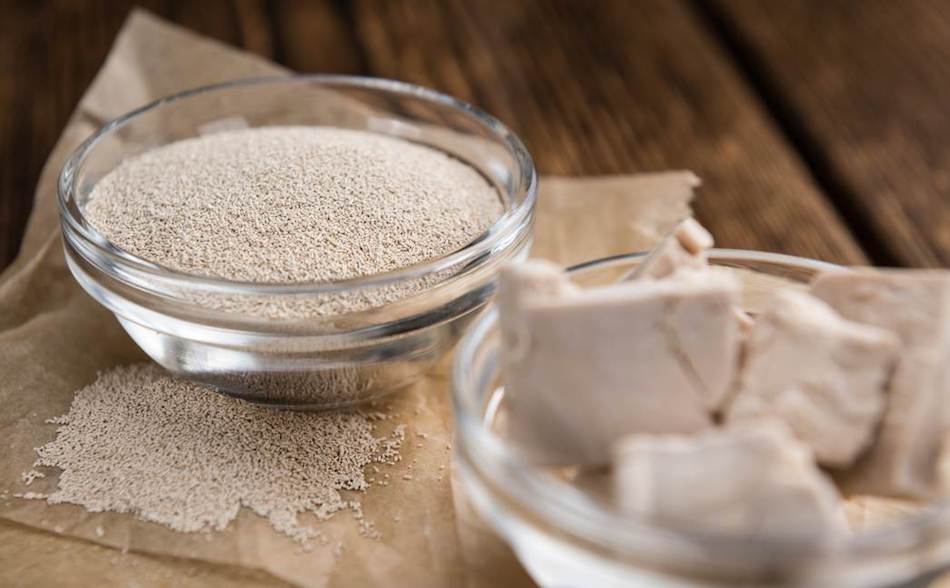
First, check your yeast. Make sure it’s fresh and active. Old or inactive yeast can lead to a sluggish rise. Double check the expiration date and make sure the yeast has been stored properly.
Next, take a look at your dough. Over-kneading or over-proofing can lead to a dense and heavy loaf. Make sure to watch the clock and pay attention to the dough’s texture.
Temperature and humidity can also play a role in rise. Yeast likes warm and moist environments, so make sure your dough is proofing in a warm place and try to maintain a consistent level of humidity.
Finally, make sure you’re measuring your ingredients accurately. Too much or too little of any ingredient can throw off the balance and affect the rise.
By troubleshooting these common causes of poor rise, you’ll be well on your way to creating that perfect crusty loaf of French bread.
The Importance of Proper Temperature and Humidity
Temperature and humidity are two factors that are often overlooked but play a role in achieving the perfect rise. Yeast is a living organism and just like us, it likes to be in a comfortable environment. If the temperature is too cold or too hot, the yeast won’t be able to do its job properly, which can lead to poor rise.
Ideal temperature for yeast to ferment and activate is around 75-85F. If it’s too cold, the fermentation process slows down and if it’s too hot, the yeast can die. So, make sure you’re proofing your dough in a warm place and check the temperature regularly.
Humidity is another important factor to consider. Yeast needs moisture to ferment, so a dry environment can also lead to poor rise. Try to maintain a consistent level of humidity in the room where your dough is proofing. You can use a humidifier or a simple tray of water near the dough to help maintain the right level of moisture.
By paying attention to temperature and humidity, you’ll be giving your yeast the perfect environment to do its job and achieve that perfect rise in your French bread. It’s all about getting the conditions just right.
Measuring Ingredients Accurately
When baking French bread, precision is key. One small mistake in the measuring of ingredients can throw off the balance and lead to a less than satisfactory loaf. That’s why it’s crucial to measure your ingredients accurately.
First, let’s talk about flour. Flour can be tricky because it can settle and compact during storage, so it’s important to use a kitchen scale to measure the flour accurately. Don’t pack the flour into the measuring cup, just scoop it gently and level it off.
Next, let’s talk about yeast. Yeast is a living organism and it needs to be measured accurately to ensure the dough rises properly. To much yeast can lead to a too rapid rise and over fermentation, while too little yeast can lead to a poor rise. So, make sure you’re measuring the yeast accurately, whether you’re using active dry yeast, instant yeast or a sourdough starter.
Sugar and salt also play a crucial role in the fermentation process and in the final flavor of the bread. Make sure you’re measuring them accurately and following the recipe.
By measuring your ingredients accurately, you’ll be ensuring that the balance is just right and that your French bread turns out perfectly every time. Remember, a little precision goes a long way in the world of bread baking.
The Role of Gluten Development in Rise
Gluten development helps achieve the perfect rise. Gluten is a protein found in wheat flour, and it’s what gives bread its structure and chewiness. When gluten is properly developed, it creates a strong network that traps the carbon dioxide produced by the yeast, leading to a nice rise.
But, not all flours are created equal, and the type of flour you use can affect the gluten development. Bread flour, for example, has a higher protein content than all-purpose flour, which means it will develop more gluten and result in a higher rise.
The key to proper gluten development is kneading. Kneading the dough develops the gluten by aligning the proteins in the flour. It’s important to knead the dough enough to develop the gluten, but not so much that you overwork it and create a dense loaf.
It’s also important to note that over-proofing can lead to poor gluten development and poor rise. As the yeast ferments the dough, it can weaken the gluten structure, making it less able to hold the carbon dioxide and resulting in a deflated loaf.
The Impact of Over-kneading and Over-proofing
When it comes to French bread making, over-kneading and over-proofing are two common mistakes that can lead to a dense and heavy loaf. The key is to find the perfect balance between the two.
Let’s start with over-kneading. Kneading is important as it helps to develop the gluten, which gives bread its structure and chewiness. But, if you over-knead, you can break down the gluten and create a dense and heavy loaf. So, pay attention to the dough’s texture and stop kneading as soon as it becomes smooth and elastic.
Proofing is the process of allowing the dough to rise before baking. It’s important to give the dough enough time to rise, but if you over-proof it, the yeast can ferment too much, weaken the gluten structure and create a deflated loaf. So, watch the clock and pay attention to the dough’s size.
The Effect of Using Old or Inactive Yeast
Always use fresh and active yeast because it is crucial for a perfect rise. Yeast is a living organism and it needs to be in good health to do its job properly. But, unfortunately, yeast doesn’t last forever and using old or inactive yeast can lead to poor rise.
Yeast has an expiration date, just like any other ingredient. Make sure to check the expiration date before using it and if it’s expired, don’t use it. It’s better to be safe than sorry.
Yeast needs to be stored in a cool and dry place, away from light and air. If it’s exposed to heat, humidity or moisture, it can become inactive. So, make sure you’re storing your yeast properly and check it before using it.
To test if your yeast is active, add a pinch of sugar and some warm water to it. If it starts to foam and bubble, it’s active. If it doesn’t, it’s inactive and should be discarded.
By using fresh and active yeast, you’ll be giving your dough the best chance for a perfect rise. Remember, yeast is a living organism and it needs to be in good health to do its job properly.
The Importance of Properly Prepping Your Dough
Properly prepping your dough is important to help your dough rise. It’s all about getting the balance just right and making sure everything is in the right place before you even start kneading.
Yeast likes warm and moist environments, so make sure your ingredients are at room temperature before you start mixing. Cold ingredients can slow down the fermentation process and affect the rise.
As I mentioned before, precision is key in French bread making. Make sure you’re measuring your ingredients accurately, whether it’s flour, yeast, sugar or salt. A little mistake in the measuring can throw off the balance and affect the rise.
Mixing is the first step in prepping your dough and it’s important to do it properly. Make sure you’re mixing your ingredients well and that the dough is homogeneous before you start kneading.
Troubleshooting Common Causes of Poor Rise
When it comes to French bread making, achieving the perfect rise is crucial for that delicious crusty exterior and airy interior. But, as we all know, things don’t always go as planned. That’s why it’s important to know how to troubleshoot common causes of poor rise, specifically when it comes to French bread.
One of the most common causes of poor rise in French bread is using old or inactive yeast. Yeast is a living organism and it needs to be in good health to do its job properly. Make sure to check the expiration date before using it and if it’s expired, don’t use it. It’s also important to store yeast in a cool and dry place, away from light and air.
Another common cause of poor rise in French bread is over-kneading or over-proofing. Kneading is important as it helps to develop the gluten, which gives bread its structure and chewiness. But, if you over-knead, you can break down the gluten and create a dense and heavy loaf. And, when it comes to proofing, it’s important to give the dough enough time to rise, but if you over-proof it, the yeast can ferment too much and weaken the gluten structure, resulting in a deflated loaf.
Temperature and humidity also play a crucial role in the rise of French bread. Yeast likes warm and moist environments, so make sure your dough is proofing in a warm place and try to maintain a consistent level of humidity.
The Role of Sugar and Salt in the Rising Process
Sugar and salt influence the fermentation process and in the final flavor of the bread. While sugar provides food for the yeast, salt controls the fermentation process and also enhances the flavor of the bread.
Yeast consumes sugar to produce carbon dioxide, which causes the dough to rise. The more sugar you add, the faster the yeast will ferment, resulting in a faster rise. But, too much sugar can also lead to an over-fermented dough and a too sweet bread.
Salt also plays an important role in the fermentation process. Salt slows down the fermentation process, so the dough has more time to rise and develop flavor. Salt also helps to strengthen the gluten structure, which leads to a better rise and a more satisfying texture. However, too much salt can also lead to a too salty bread.
The Impact of Using Substitute Ingredients
The right ingredients is crucial for achieving the perfect rise and flavor. However, sometimes, you may not have all the ingredients on hand or you may have dietary restrictions that prevent you from using certain ingredients. That’s why it’s important to know the impact of using substitute ingredients.
French bread is traditionally made with wheat flour, but you may need to use a substitute flour such as spelt, rye, or corn flour. These flours have a different protein content and gluten development than wheat flour, which can affect the rise and texture of the bread.
French bread is traditionally made with active dry yeast, but you may need to use a substitute yeast such as instant yeast or a sourdough starter. These yeasts have different fermentation times and can affect the rise and flavor of the bread.
French bread traditionally contains sugar and salt, but you may need to use a substitute sweetener or a low sodium salt. These substitutes can affect the fermentation process and the flavor of the bread.
The Effect of Using Different Types of Flour
Using the right type of flour is crucial for achieving the perfect rise and texture. French bread is traditionally made with wheat flour, which is high in gluten, but you may find yourself using different types of flour for various reasons.
Let’s start with bread flour. Bread flour has a higher protein content than all-purpose flour, which means it will develop more gluten and result in a higher rise. This is perfect for French bread, which requires a high rise and a chewy texture.
Next, let’s talk about whole wheat flour. Whole wheat flour is made from the entire wheat kernel, including the bran, germ, and endosperm. It has a lower protein content than bread flour and will result in a denser and heavier loaf. It’s good for a rustic bread but not for the traditional French bread.
Finally, let’s talk about gluten-free flour. Gluten-free flour is made from ingredients that don’t contain gluten such as rice, corn, or almond flour. These flours will not produce the same gluten structure as wheat flour and will result in a denser and less chewy loaf.
Tips for Achieving a High Rise
Here are a few tips to help you achieve a high rise in your French bread:
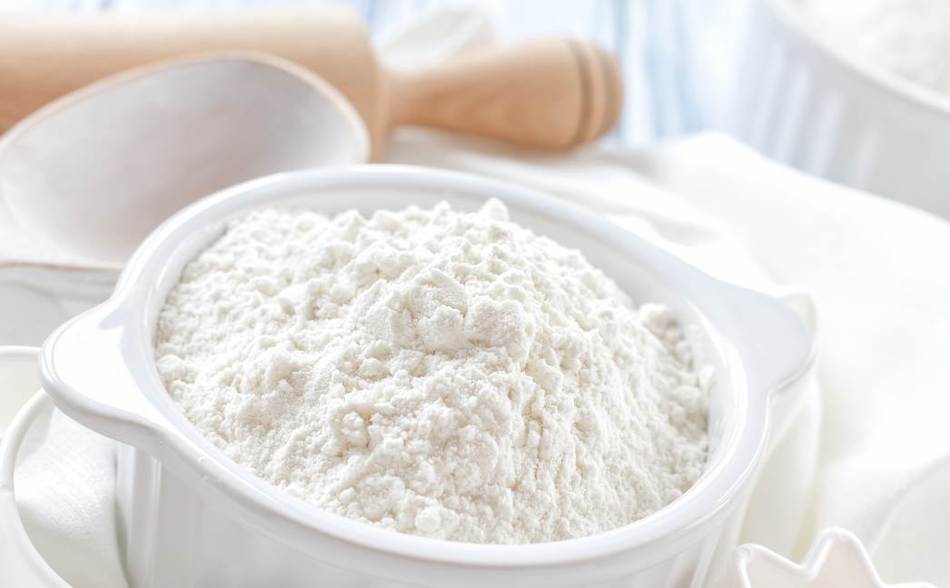
Bread flour has a higher protein content than all-purpose flour, which means it will develop more gluten and result in a higher rise.
Next, use the right amount of yeast. Yeast is a living organism and it needs to be in good health to do its job properly. Make sure you’re using the right amount of yeast, whether you’re using active dry yeast, instant yeast or a sourdough starter.
Also, pay attention to temperature and humidity. Yeast likes warm and moist environments, so make sure your dough is proofing in a warm place and try to maintain a consistent level of humidity.
In addition, give the dough enough time to rise. Proper fermentation time is crucial for a high rise.
Finally, don’t forget to knead your dough properly. Kneading is important as it helps to develop the gluten, which gives bread its structure and chewiness. Make sure you’re kneading the dough enough to develop the gluten but not so much that you overwork it.
The Importance of Properly Shaping Your Loaf
Properly shaping your loaf is crucial for achieving that delicious crusty exterior and airy interior. Here are a few tips to help you shape your French loaf perfectly:
First, make sure your dough is properly risen and proofed. The dough should be doubled in size and should be soft and elastic.
Next, shape the dough into a round ball by tucking the edges under. This will help create a smooth top surface for the loaf.
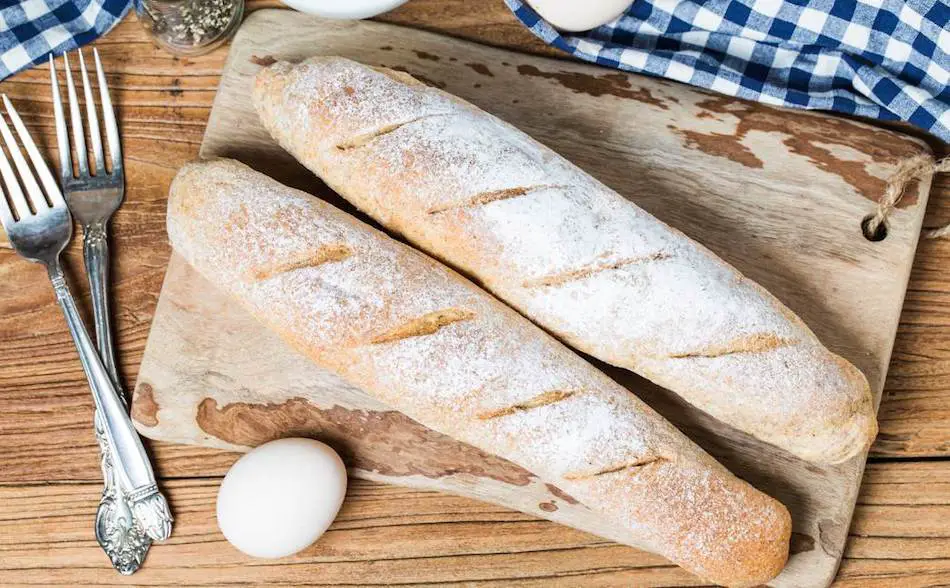
Then, use a sharp knife or a lame to make diagonal slashes on the top of the loaf. This allows the loaf to expand during baking, and it also creates an attractive pattern on the crust.
Also, when shaping your loaf, be gentle and handle the dough with care. Overworking the dough can deflate it, and this can negatively impact the rise.
Finally, before baking, let the shaped loaf proof for a few minutes. This will allow the dough to relax and settle into its shape before baking.
The Role of Resting and Proofing Time
Resting and proofing time play a crucial role in the fermentation process and in the final texture and flavor of the bread.
Resting time, also known as autolyse, is a period of time after the dough has been mixed and before kneading, when the dough is left to rest and the gluten to develop. This step helps improve the dough’s texture and makes it easier to handle.
Proofing time is the time the dough is left to rise, usually between 45 minutes to 2 hours, depending on the recipe and the type of yeast used. This step allows the yeast to ferment and the dough to rise, which results in a higher and airier loaf.
Shaping the dough and leaving it to proof for a final time before baking, also known as bench time, allows the dough to settle and relax into its shape, and it also helps to develop flavor.
The Impact of Using a Dutch Oven or Steam Injection
When it comes to baking bread, using a Dutch oven or steam injection can have a significant impact on the final crust and rise of the bread.
A Dutch oven is a heavy pot with a tight-fitting lid that is used to bake bread. The pot is preheated and the bread is placed inside, and the lid is put on. The pot retains heat and moisture, creating a steamy environment which helps to create a crusty and flavorful bread. The lid traps the steam produced by the dough and this steam helps to create a crispy crust on the bread.
Steam injection is another technique used to create a crusty bread. Steam is injected into the oven during the first few minutes of baking. This helps to create a humid environment which causes the bread to rise quickly and creates a crispy crust.
Both methods can be used to achieve a similar result, but the Dutch oven method is more hands-off and is great for home bakers who don’t have access to a professional steam injection system.
By using a Dutch oven or steam injection, you’ll be able to achieve a delicious crusty exterior and airy interior that we all love in a French bread. Remember, it’s all about finding the right balance and using the right tools to create the perfect crust.”
The Effect of Using a Sourdough Starter
Using a sourdough starter can have a significant impact on the final flavor and texture of the bread.
A sourdough starter is a mixture of flour and water that has been fermented with wild yeast and bacteria. This mixture is used as a natural leavening agent in bread making, instead of commercial yeast. Sourdough starters can be kept alive for many years and passed down from generation to generation.
Using a sourdough starter to make bread results in a bread with a unique flavor and texture. Sourdough bread has a tangy, slightly sour taste and a chewier texture. The acidity of the starter helps to break down the gluten and this makes the bread more easily digestible. Sourdough bread also tends to have a better shelf life than bread made with commercial yeast.
The fermentation process in sourdough bread is slower than commercial yeast, the dough takes longer to rise, and the fermentation process contributes to the development of flavor.

The Importance of Properly Storing and Freezing Dough
Properly storing and freezing dough can have a significant impact on the final flavor and texture of the bread.
Properly storing dough is important to keep it fresh and maintain its fermentation process. The dough should be stored in an airtight container and placed in the refrigerator. The cold temperature slows down the fermentation process, which allows the dough to last longer and also develops more flavor.
Freezing dough can be a great way to have fresh bread on hand whenever you want. The dough can be frozen in an airtight container or wrapped in plastic wrap or aluminum foil. When ready to bake, take the dough out of the freezer and let it thaw and rise at room temperature before shaping and baking.
It’s important to note that freezing can change the texture of the bread, and it may not rise as high as fresh dough, but it still will make a delicious bread.
How To Make French Bread
Ingredients:
- 500g bread flour
- 10g salt
- 7g yeast
- 350ml water
Instructions:
- In a large mixing bowl, combine the flour, salt, and yeast.
- Slowly add the water, and mix the ingredients until a dough forms.
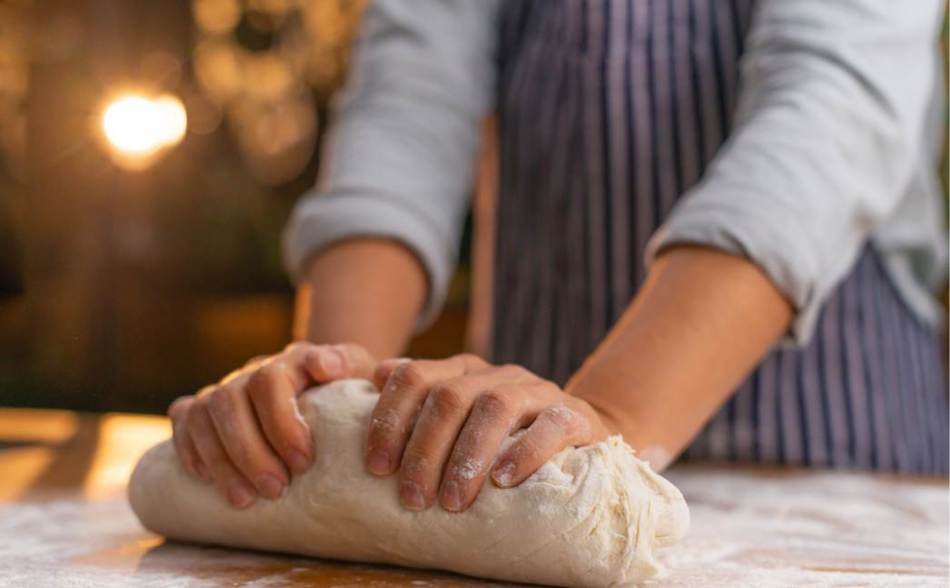
- Knead the dough on a floured surface for 10-15 minutes, or until the dough becomes smooth and elastic.
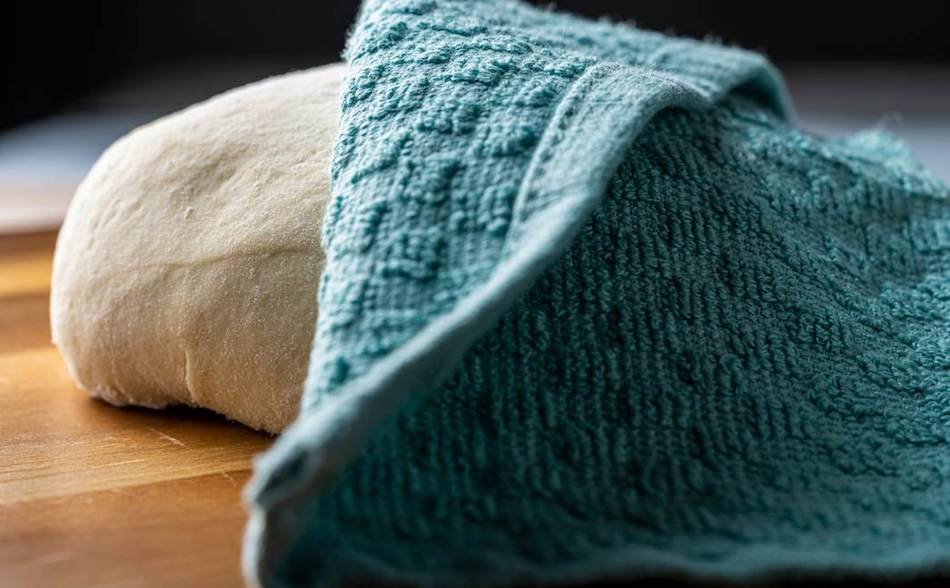
- Place the dough in a greased bowl, cover with a towel, and let it rise in a warm place for 1 hour, or until it doubles in size.
- Punch down the dough and shape it into a round loaf.
- Place the loaf on a baking sheet and let it rise for another 30 minutes.
- Preheat the oven to 220C (428F).
- Use a sharp knife to make diagonal slashes on the top of the loaf.
- Place the loaf in the oven and bake for 30-35 minutes, or until it’s golden brown and sounds hollow when tapped on the bottom.
- Remove the loaf from the oven and let it cool before slicing and serving.
Note: You can also use Dutch oven or steam injection to achieve a crusty bread.
Enjoy your homemade French bread!